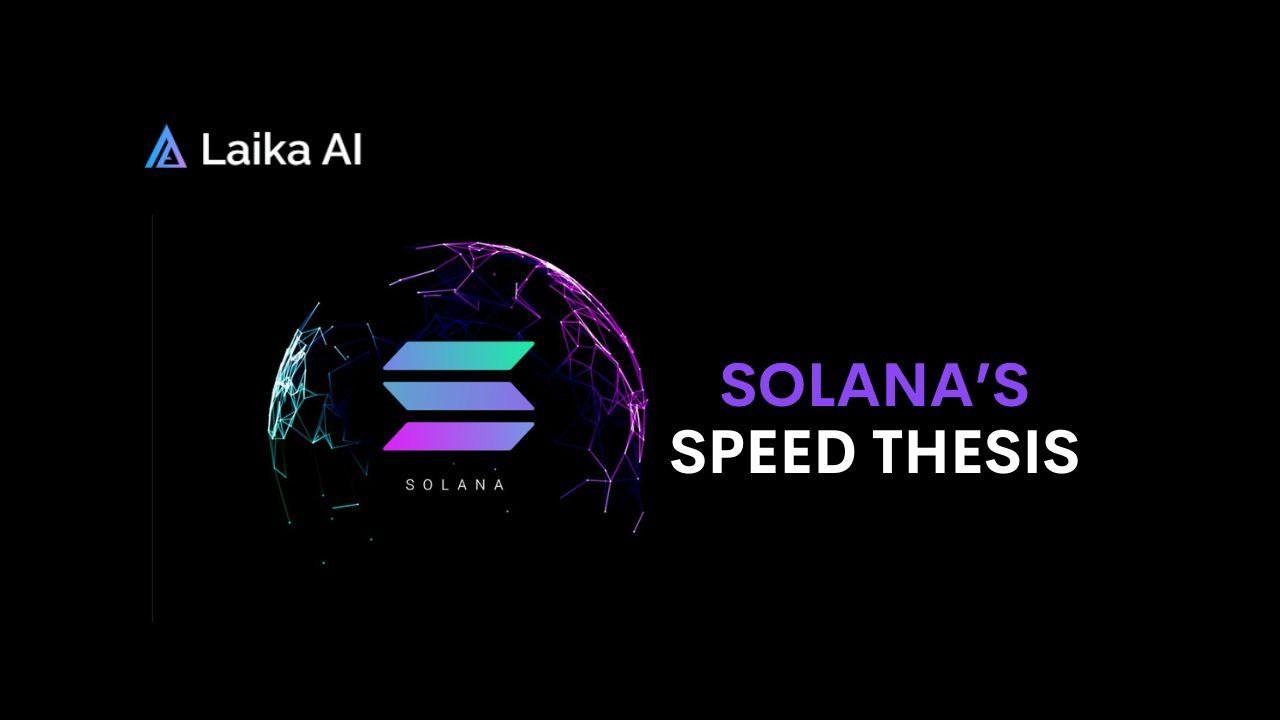
Solana (SOL) has transitioned from a high-performance alternative into one of the most important layers of global on-chain infrastructure. After a defining 2025 in which the network surpassed Ethereum in annual revenue for the first time, Solana enters 2026 positioned as the leading blockchain for throughput, cost efficiency, and institutional usage.
While 2024 was dominated by retail memecoin activity, 2025 marked Solana’s industrial validation. The successful mainnet deployment of the Firedancer validator client in December 2025 signaled the end of Solana’s long beta phase and the beginning of a reliability-first era designed for continuous, high-volume financial settlement.
Solana is no longer competing on speed alone. It is competing as infrastructure.
What Is Solana?
Solana is a decentralized Layer 1 blockchain designed for mass-market applications. It introduces a unique consensus innovation known as Proof of History, which functions as a cryptographic clock. This allows transactions to be processed in parallel rather than sequentially, dramatically increasing throughput without sacrificing security.
This architectural design enables Solana to support real-time trading, payments, and tokenized assets at a scale that traditional blockchains struggle to achieve.
The 2026 Technological Pillars
Firedancer Mainnet Activation
Developed by Jump Crypto, Firedancer went live on mainnet in late December 2025. This independent validator client is engineered to scale Solana toward one million transactions per second while introducing client diversity that eliminates single-software failure risk.
Firedancer is not merely a performance upgrade. It is a resilience upgrade.
The Alpenglow Upgrade
Scheduled for full rollout in Q1 2026, Alpenglow is a consensus overhaul designed to reduce block finality from approximately 12 seconds to just 100–150 milliseconds. This positions Solana as the first blockchain capable of matching the execution speed of global payment processors such as Visa.
State Compression and Real-World Assets
Solana has emerged as the leading network for real-world asset tokenization. Through state compression, institutions can mint and manage millions of assets at costs that are orders of magnitude lower than competing chains.
For readers new to this sector, this introduction to real-world assets on Solana explains how RWAs are being deployed at scale and why Solana has become the preferred settlement layer.
Market Performance and Financials (Jan 2, 2026)
Solana enters 2026 in a constructive consolidation phase. Despite a slightly negative December, historical data shows January has consistently delivered strong upside for SOL, with average gains exceeding 20 percent in prior cycles.
| Metric | Status |
|---|---|
| Current Price | $124.52 USD |
| Market Capitalization | $70.7 Billion |
| Circulating Supply | 563.1 Million SOL |
| 24h Trading Volume | $3.15 Billion |
| 2025 Annual Revenue | $1.5 Billion |
For live pricing, on-chain metrics, and real-time market structure, see Laika’s Solana price and network analysis.
Advantages, Risks, and Challenges
Advantages
Solana closed 2025 with $1.5 billion in annual revenue, outperforming Ethereum and Hyperliquid combined. This revenue leadership is driven by high-frequency trading, DeFi, and real-time settlement use cases that thrive on low fees.
Institutional adoption accelerated sharply entering 2026. State Street and Galaxy Asset Management are launching the SWEEP tokenized liquidity fund on Solana, marking one of the largest migrations of traditional capital onto a public blockchain.
Spot ETF momentum has also strengthened. Solana-linked ETFs have recorded zero weekly net outflows since launch, with cumulative inflows exceeding $755 million.
With average transaction fees around $0.0032, Solana remains the only blockchain capable of supporting global remittances and real-time micropayments at scale.
Risks
Validator decentralization remains under scrutiny. Although the number of independent validators continues to grow, stake concentration among top operators is still closely monitored.
Technical complexity is another risk. Major upgrades such as Alpenglow and the transition to a multi-client environment introduce execution risk during early rollout phases, even when extensively tested.
Challenges
To win over global banks, Solana must meet a new standard of liveness. Maintaining uninterrupted uptime throughout 2026 is critical, and Firedancer is designed specifically to ensure a single software bug cannot halt the chain again.
Beyond memecoins, Solana must demonstrate that it can sustain volume through long-term utility. Areas such as DePIN, enterprise supply chains, and developer ecosystems are central to this shift. A breakdown of where durable demand is forming can be found in top Solana projects to watch.
Solana Price Prediction 2026 to 2030
2026 Forecast: The Recovery Phase
With the potential for a spot SOL ETF supply squeeze and the activation of sub-second finality via Alpenglow, analysts see a clear path toward reclaiming previous cycle highs.
Target Range: $280–$400Key Catalyst: Launch of the State Street SWEEP fund and increased stablecoin settlement using PYUSD
2027–2028 Forecast: The Infrastructure Premium
As Solana becomes the de facto settlement layer for tokenized capital markets, its valuation will increasingly reflect its role in the global institutional custody stack.
Target Range: $450–$600Key Catalyst: Adoption of Solana as a settlement rail for a major G20 digital currency pilot
2030 Long-Term Outlook
Conservative Case: $700Bull Case: $1,000+
This assumes Solana captures a significant share of global high-frequency trading, decentralized AI middleware, and DePIN infrastructure.
The Bottom Line
Solana has moved beyond survival and into dominance. In 2025, it proved it could generate more revenue than any other blockchain while keeping costs negligible for users. In 2026, the focus shifts decisively toward institutional integration.
With Firedancer live and State Street operating on-chain, Solana is no longer just a fast blockchain. It is positioning itself as the foundational layer for global commerce.
A clear example of this conviction can be seen in how a public company went all-in on the Solana ecosystem as a long-term strategic bet.
Frequently Asked Questions
1. What is Firedancer?Firedancer is a high-performance Solana validator client built by Jump Crypto to improve throughput, resilience, and uptime.
2. Why did Solana surpass Ethereum in revenue?Solana processes massive transaction volume at extremely low cost. In 2025, total activity generated more aggregate revenue than Ethereum’s high-fee model.
3. Is Solana still in beta?With Firedancer live and a multi-client environment established, Solana leadership has indicated the network is exiting its beta phase.
4. Can I analyze Solana using AI tools?Yes. Laika’s AI Crypto Assistant provides real-time Solana summaries, technical insights, and on-chain interpretations.
Disclaimer: This article is provided for informational purposes only and should not be considered financial or investment advice. Always do your own research before engaging with cryptocurrencies or digital assets.