Polymarket, the decentralized prediction market platform that gained prominence for its blockchain-based forecasting services, is opening what it describes as New York City's first free grocery store. The initiative represents a significant departure from the company's core business model and enters the growing field of community-supported food distribution.
The announcement marks an unusual strategic move for a platform primarily associated with cryptocurrency markets and event-based predictions. While details remain limited, the project signals potential brand diversification as Polymarket navigates regulatory challenges and seeks broader public engagement.
Understanding the Free Grocery Store Model
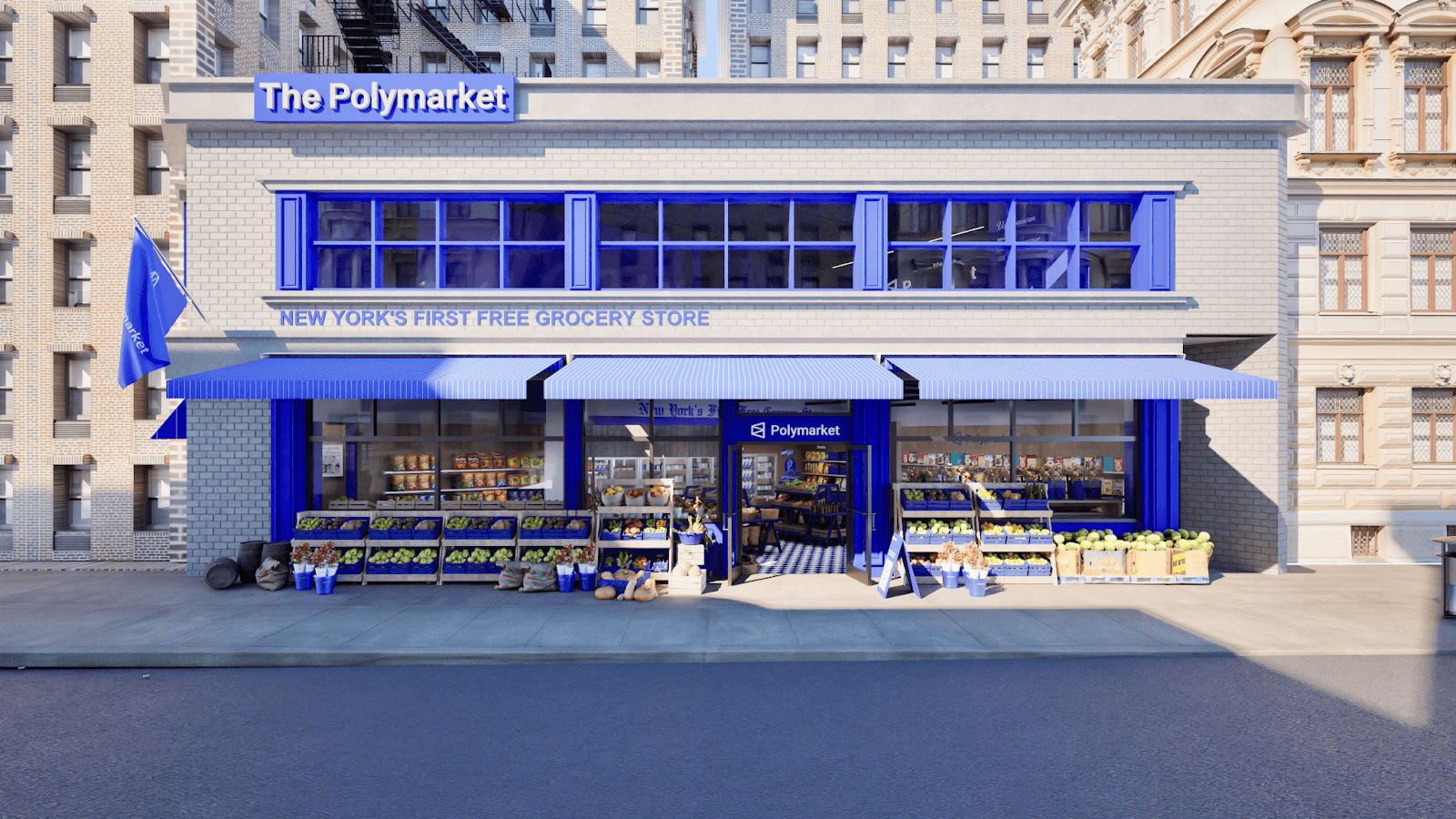
Free grocery stores operate differently from traditional food banks or charitable distributions. These establishments typically function as permanent retail-style locations where community members can shop for groceries without payment, maintaining dignity and choice in the selection process.
The model has gained traction across the United States as communities address food insecurity through innovative approaches. Unlike traditional food pantries that distribute pre-packaged boxes, free grocery stores allow individuals to select items based on personal dietary needs, cultural preferences, and household requirements.
Operational funding generally comes from a combination of corporate sponsorships, nonprofit partnerships, municipal support, and private donations. Inventory sourcing includes partnerships with food suppliers, grocery chains donating surplus stock, and agricultural programs redirecting excess production.
Polymarket has not disclosed specific details about its funding structure, inventory partnerships, or operational framework for the New York City location. These details will be critical in assessing the initiative's sustainability and community impact.
Polymarket's Core Business and Market Position
Polymarket operates as a decentralized prediction market where users trade on outcomes of real-world events. The platform gained significant attention during election cycles, sporting events, and major news developments, offering markets on topics ranging from political outcomes to economic indicators.
Built on blockchain technology, Polymarket allows participants to take positions on binary outcomes, with market prices theoretically reflecting collective probability assessments. The platform has processed substantial trading volume, particularly during high-profile events like presidential elections and Federal Reserve policy decisions.
However, the company has faced regulatory scrutiny in the United States. The Commodity Futures Trading Commission previously investigated prediction market operations, leading to restrictions on U.S.-based trading for certain platforms. These regulatory challenges have shaped the competitive landscape and may influence strategic decisions around brand positioning.
Expanding into community services through a free grocery store initiative could serve multiple objectives: building goodwill, diversifying public perception, establishing local presence, and demonstrating social responsibility beyond speculative trading markets.
Food Insecurity in New York City
New York City faces persistent food insecurity challenges despite its status as a global economic center. Various neighbourhoods experience limited access to affordable, nutritious food options, creating gaps that community organizations and municipal programs work to address.
Food insecurity affects working families, seniors on fixed incomes, and individuals experiencing economic disruption. The COVID-19 pandemic intensified these challenges, with unemployment spikes and economic instability driving increased demand for food assistance programs.
Existing infrastructure includes traditional food banks, emergency meal services, SNAP benefit programs, and community-supported agriculture initiatives. However, gaps remain in permanent retail-style distribution that maintains user dignity and choice.
A free grocery store model addresses these gaps by offering consistent access in a shopping environment rather than emergency distribution settings. Success depends on strategic location selection, consistent inventory supply, community engagement, and operational sustainability.
Polymarket has not announced the specific neighbourhood or borough where the store will operate. Location choice will significantly impact the initiative's effectiveness and the populations served.
Market Reaction and Business Implications
Financial markets have shown minimal reaction to Polymarket's grocery store announcement. The initiative represents a corporate social responsibility effort rather than a revenue-generating business expansion, limiting direct market impact.
For Polymarket as a private company, valuation effects depend on the investor's perception of strategic direction. Some investors may view community engagement positively as brand-building that supports long-term positioning. Others might question resource allocation away from core prediction market development.
The cryptocurrency and blockchain sectors occasionally pursue community initiatives to address criticism about speculation-focused applications. Demonstrating real-world social impact can counter narratives that decentralized platforms lack practical utility beyond trading.
Regulatory considerations also factor into strategic calculations. Companies facing government scrutiny sometimes increase community engagement and social responsibility programs to improve public relations and demonstrate positive contributions.
Whether Polymarket's free grocery store initiative influences regulatory outcomes remains speculative. However, the timing amid ongoing policy discussions around prediction markets and cryptocurrency platforms suggests possible strategic positioning.
Precedents in Corporate Food Security Initiatives
Various corporations have launched food security initiatives with different models and outcomes. Examining precedents provides context for evaluating Polymarket's approach.
Some grocery retailers operate charitable foundations that support food banks and hunger relief programs while maintaining separation from core business operations. This model allows tax-advantaged giving while preserving brand association with social causes.
Technology companies have funded community programs addressing local needs in headquarters cities, sometimes including food access initiatives. These efforts typically operate through corporate foundations with dedicated staff and multi-year funding commitments.
Cryptocurrency and blockchain companies have explored various social impact projects, though sustained community service initiatives remain relatively rare in the sector. Short-term promotional efforts have sometimes been launched without long-term operational planning.
Successful corporate food security initiatives share common characteristics: transparent governance structures, sustainable funding models, community input in program design, integration with existing service networks, and measurable impact assessment frameworks.
Polymarket's free grocery store will be evaluated against these standards as details emerge and operations begin.
Community Impact Potential
If executed effectively with sustainable funding and community integration, Polymarket's free grocery store could provide meaningful benefits to New York City residents facing food insecurity.
Consistent access to nutritious food supports health outcomes, reduces household financial stress, and enables families to allocate limited resources toward other essential needs like housing, healthcare, and education.
Polymarket's announcement of New York City's first free grocery store represents an unconventional strategic move for a prediction market platform. While the initiative addresses genuine community needs around food insecurity, critical details about funding, operations, and sustainability remain undisclosed.
The project's success will depend on transparent governance, adequate financial commitment, community partnerships, and integration with existing food security infrastructure. Without these elements, the initiative risks becoming a promotional effort rather than sustained community support.
Frequently Asked Questions:
General Information
1. What is Polymarket's free grocery store initiative?
Polymarket is opening what it describes as New York City's first free grocery store, allowing community members to access groceries without payment in a retail-style shopping environment.
2. When will the store open?
Polymarket has not announced a specific opening date for the free grocery store.
3. Where will the store be located in New York City?
The specific neighbourhood or borough location has not been disclosed by Polymarket.
4. Is this the first free grocery store in New York City?
Polymarket claims this will be New York City's first free grocery store, though various food banks and pantries operate throughout the city.
5. What is Polymarket?
Polymarket is a decentralized prediction market platform where users trade on outcomes of real-world events using blockchain technology.