Platinum has quietly emerged as one of the best-performing major commodities, with prices rising nearly 150 percent from cycle lows. While gold and silver dominate mainstream headlines, platinum’s rally has been driven by structural supply constraints, resilient industrial demand, and long-term shifts in global commodity markets.
Unlike speculative price spikes fueled by short-term sentiment, platinum’s move higher reflects multi-year fundamental pressures that finally forced a repricing. Understanding why platinum prices are rising requires examining both the tightening supply environment and the evolving demand landscape.
A Tight Platinum Supply Market Years in the Making
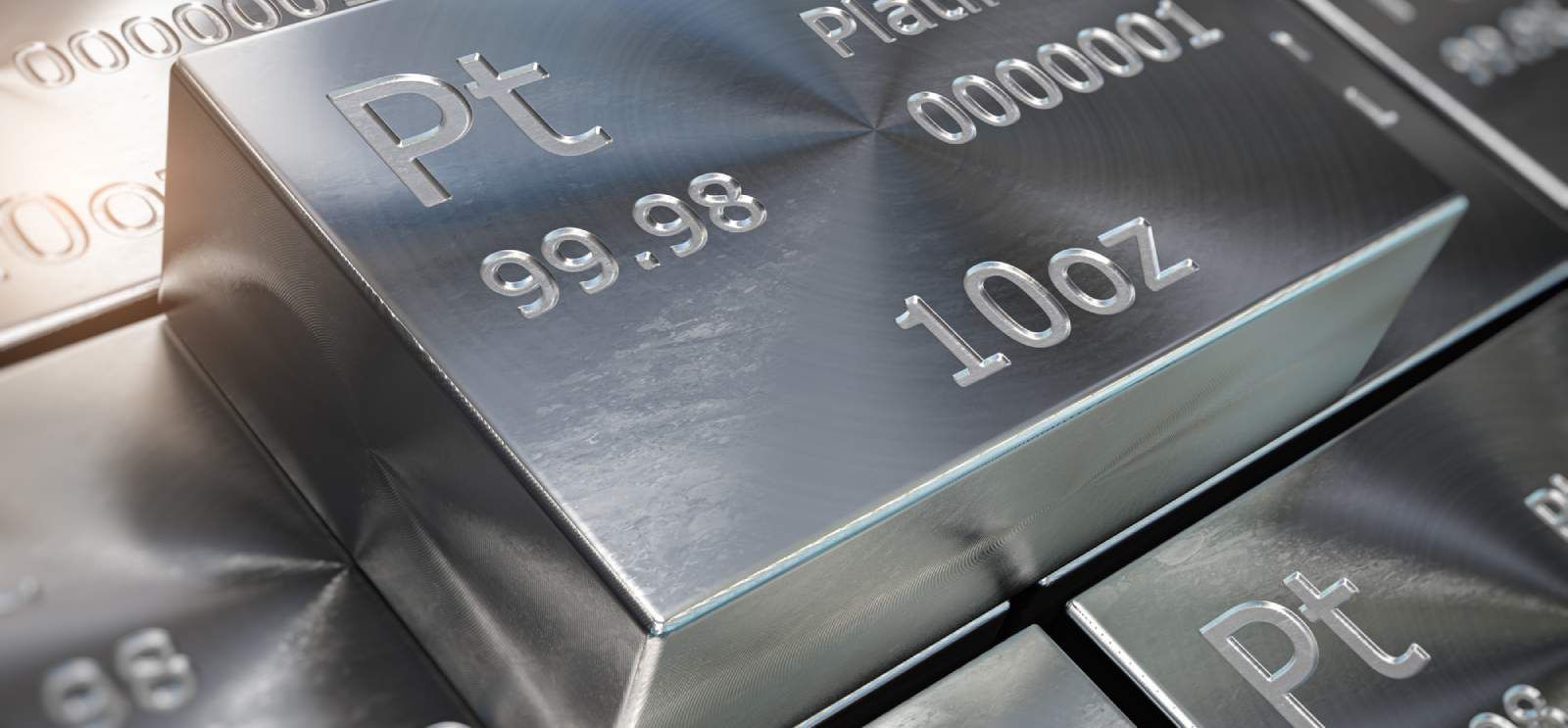
One of the most critical drivers behind rising platinum prices is persistent supply scarcity.
Platinum is among the rarest precious metals, with annual global production far lower than gold or silver. Even more importantly, supply is geographically concentrated.
South Africa’s Dominance Creates Structural Risk
Roughly 70 percent of global platinum supply comes from South Africa. This concentration makes the market highly vulnerable to disruption. Over the past decade, production has been repeatedly constrained by:
Chronic power shortages
Labor disputes and wage pressures
Rising extraction and energy costs
Aging, deep, and capital-intensive mining infrastructure
Platinum mines are expensive and slow to expand. Even when prices rise, new supply cannot be brought online quickly.
Market Deficits and Inventory Drawdowns
In multiple recent years, platinum demand has exceeded production, pushing the market into structural deficits. These deficits have steadily reduced above-ground inventories, tightening the market and amplifying price sensitivity.
Industrial Demand Is Stronger Than Many Investors Expect
Unlike gold, platinum is primarily an industrial metal, and its demand profile is far more diversified than commonly assumed.
Automotive Demand Remains Resilient
Platinum plays a critical role in catalytic converters, particularly in:
Hybrid vehicles
Heavy-duty transport
Regions with tightening emissions standards
While fully electric vehicles reduce long-term catalytic demand, internal combustion engines are not disappearing overnight. In fact, stricter emissions regulations have increased platinum loadings per vehicle in many markets.
Hydrogen and Clean Energy Applications
Platinum demand has received a structural boost from hydrogen technologies. The metal is essential in:
Fuel cells
Electrolyzers used in hydrogen production
Industrial hydrogen storage systems
As governments and corporations invest heavily in hydrogen as a clean-energy solution, platinum’s role becomes increasingly strategic rather than cyclical.
Substitution From Palladium Has Rebalanced Demand
Another key driver behind platinum’s price surge is substitution within the platinum group metals (PGMs).
Earlier in the decade, palladium prices surged to historic highs due to supply shortages and strong automotive demand. At its peak, palladium traded at a large premium to platinum.
Automakers Shifted Back to Platinum
As palladium prices climbed, automakers began substituting platinum for palladium in catalytic converters wherever technically feasible. While this transition took time, it redirected meaningful demand back toward platinum.
This rebalancing across PGMs helped:
Reduce palladium’s demand pressure
Strengthen platinum’s industrial consumption
Correct long-standing pricing distortions
Investment Demand Is Gradually Returning
For years, platinum traded at a deep discount to gold, despite being rarer and industrially critical.
Historically, platinum often commanded a premium. That relationship broke down after the collapse of diesel vehicle demand in parts of Europe, leaving platinum undervalued in the eyes of many investors.
Renewed Institutional Interest
As supply deficits became more visible and industrial demand stabilized:
Physically backed platinum ETFs saw renewed inflows
Long-term investors began viewing platinum as both an industrial metal and a scarcity asset
Unlike speculative retail-driven rallies, platinum’s investment demand has been gradual and institutionally driven, supporting price stability rather than excess volatility.
Macro and Currency Factors Amplify the Rally
Broader macroeconomic conditions have also supported platinum prices.
Periods of currency debasement and inflation uncertainty tend to benefit commodities
A weaker US dollar at various points made platinum cheaper for non-dollar buyers
Rising energy and labor costs increased the marginal cost of platinum production
While these factors did not cause the rally, they reinforced existing supply-demand imbalances.
Why Platinum’s 150% Rise Appears Structural, Not Speculative
What sets platinum apart from many commodity rallies is the absence of a single short-term catalyst.
Supply constraints are not easily resolved
New mines require years of capital investment
Recycling cannot fully offset primary supply shortages
On the demand side, platinum benefits from multiple long-term use cases, including emissions control, industrial processing, and hydrogen technology.
This combination suggests platinum’s price surge reflects a structural repricing, not a temporary speculative bubble.
Risks That Could Slow or Reverse Platinum Prices
Despite strong fundamentals, platinum is not without risk.
Potential headwinds include:
A sharp global economic slowdown reducing industrial demand
Faster-than-expected adoption of fully electric vehicles
Technological advances that reduce platinum usage per unit
Like all commodities, platinum remains cyclical. Over time, higher prices encourage efficiency, substitution, and eventually new supply.
Bottom Line: Why Platinum Prices Are Rising
Platinum prices are up roughly 150 percent because the market spent years underestimating supply risk and overestimating demand decline.
Persistent production constraints, resilient industrial demand, substitution from palladium, and renewed investment interest have reshaped the platinum market.
Unlike many short-lived commodity rallies, platinum’s rise is rooted in tangible fundamentals, re-establishing it as a strategically important metal rather than a forgotten one.
Frequently Asked Questions (FAQs)
Why are platinum prices up 150 percent?
Platinum prices have risen due to long-term supply shortages, stronger industrial demand, substitution from palladium, and renewed investor interest. These factors tightened the market over several years, pushing prices higher.
Is the platinum price surge driven by speculation?
No. Platinum’s rally has been driven primarily by real supply and demand fundamentals rather than short-term speculation.
How rare is platinum compared to gold?
Platinum is significantly rarer than gold. Annual production is much lower, and supply is heavily concentrated, particularly in South Africa.
What role does the auto industry play in platinum demand?
The auto industry remains a major source of platinum demand due to its use in catalytic converters, especially in hybrid vehicles and regions with strict emissions standards.
How does palladium affect platinum prices?
As palladium prices surged, automakers substituted platinum where possible. This increased platinum demand and contributed to its price recovery.
Disclaimer: This article is provided for informational purposes only and should not be considered financial or investment advice. Always do your own research before engaging with cryptocurrencies or digital assets.