The wrong way to pick a World Cup prediction market platform is by brand name. The right way is to compare the specific market you want to trade on each platform, because a market that looks clean before kickoff can become expensive, illiquid, or ambiguous the moment a goal goes in or a red card gets shown.
This guide answers the five questions that actually matter for World Cup trading: can you get in at a fair price, can you get out if the market moves, will you understand how it settles, can you withdraw without friction, and does the platform even list the market you want.
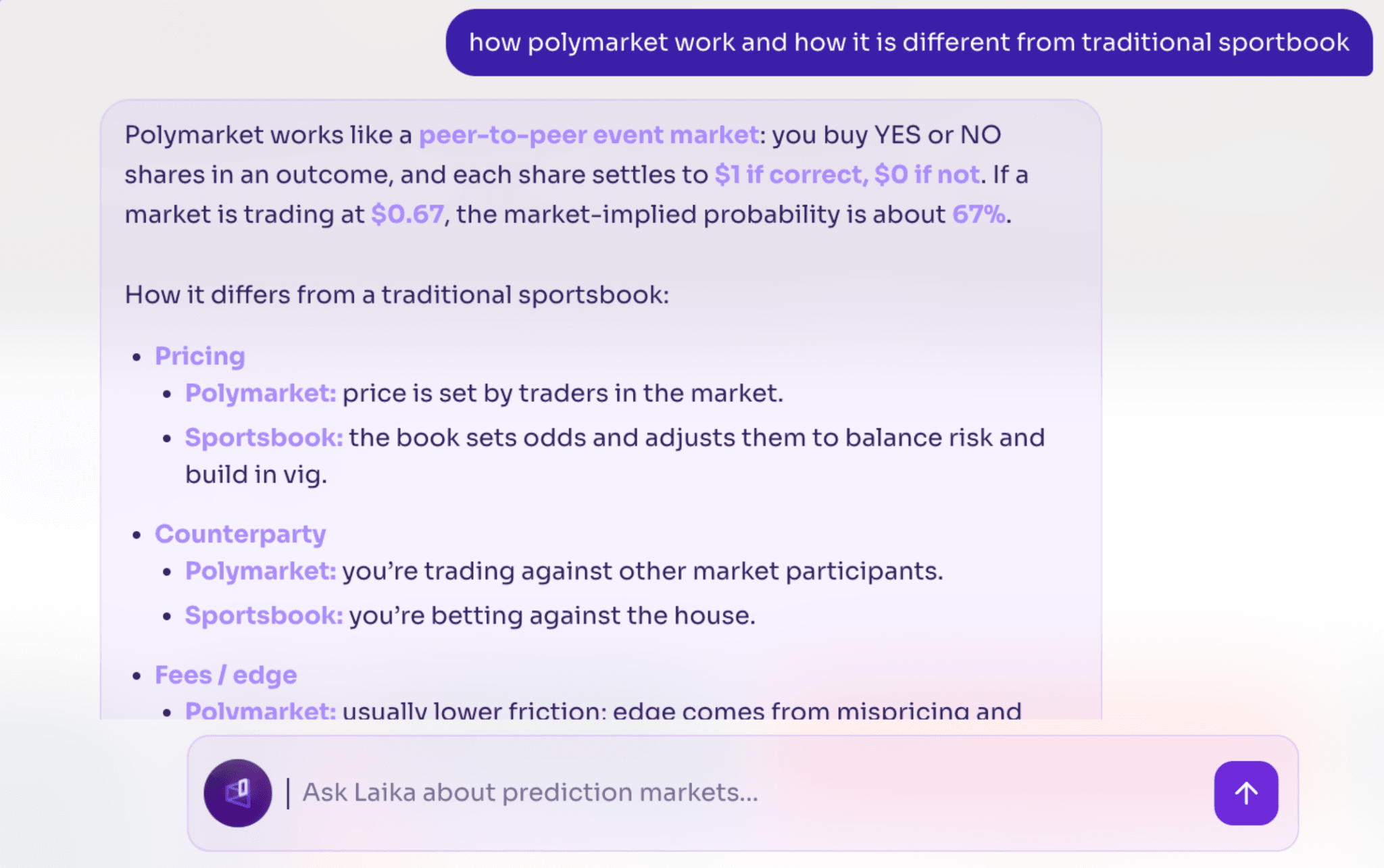
For the foundational explanation of how prediction markets work before diving into the platform-specific details, what are prediction markets covers the complete structure
Liquidity Is the First Filter, Not the Last
For World Cup markets, liquidity is the biggest practical difference between platforms. It determines whether you can buy or sell near the displayed price or whether you get a worse fill because the order book is thin.
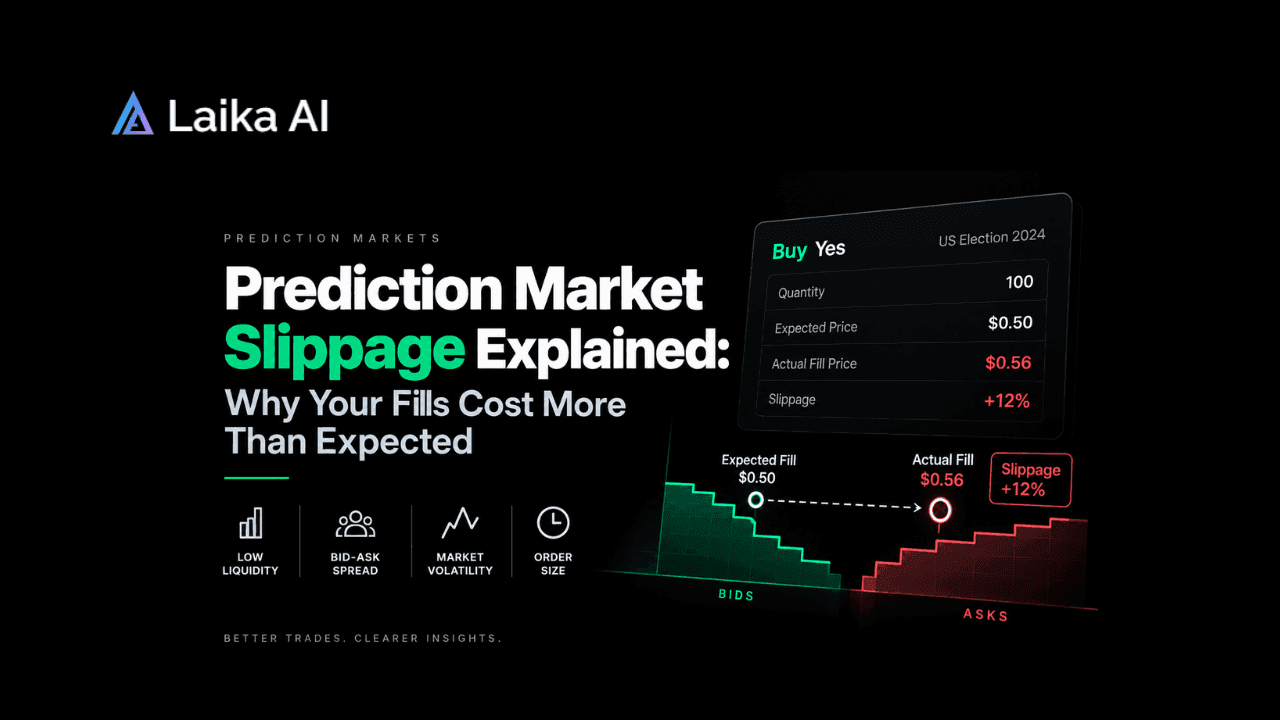
On an order-book platform you are trading against other users. If the best bid is 0.46 and the best ask is 0.50, the spread is 4 cents. That spread is your immediate friction. If you want to buy 1,000 shares and only a few hundred are available near the ask, your average fill will be worse than the headline price. That matters more in sports than in slow-moving markets because World Cup odds can shift sharply on goals, red cards, injuries, and rumours before kickoff.
Kalshi tends to have tighter spreads on bigger, more popular matches. A flagship World Cup market on Kalshi can be active and reasonably priced. Smaller prop markets are a different story. Before entering any position, open the order book, check the best bid and ask and the size at each level, and use limit orders if the spread is wide. If you plan to trade meaningful size, test with a small order first.
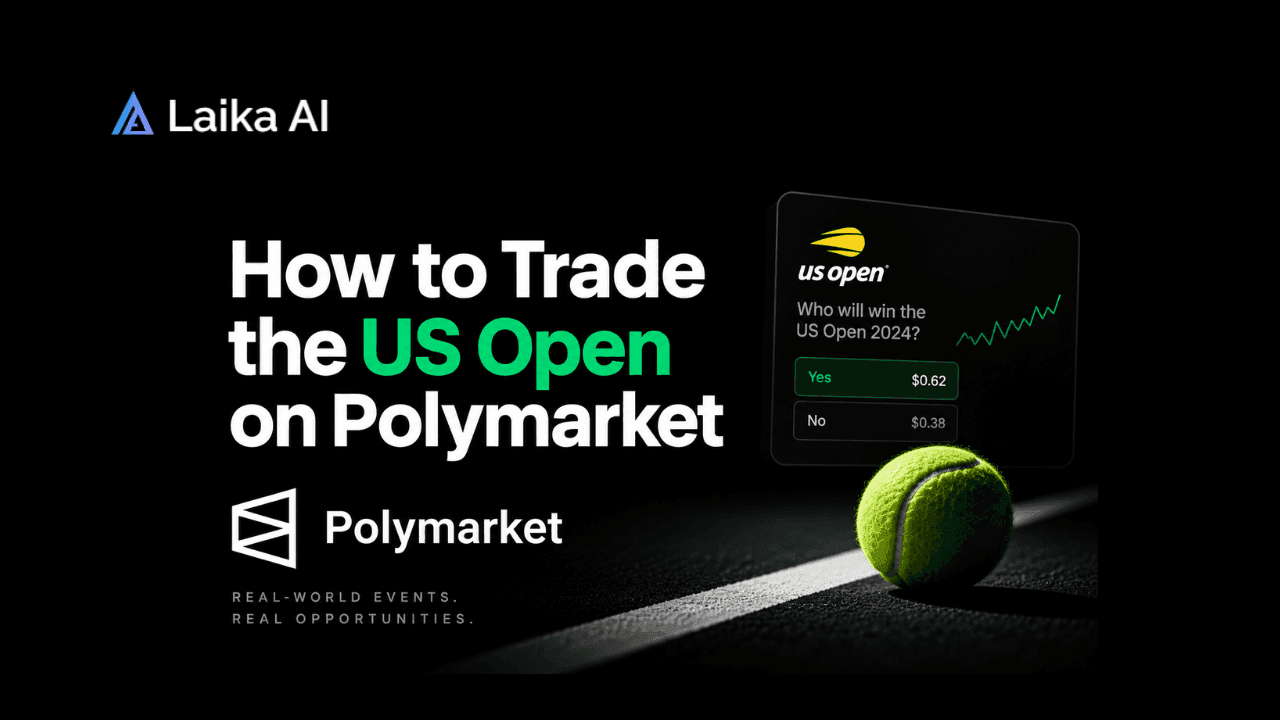
Polymarket has run some of the most actively traded World Cup markets in prediction market history, with the 2026 winner market crossing $1.2 billion in cumulative volume. But volume is not the same as usable depth. A market can have enormous total volume over time and still be thin at the exact moment you want to trade. The right question is not how much volume has this market done, but how much can you trade right now without moving the price. Check whether you are in a flagship market or a smaller prop before sizing a position.
For a full comparison of how Kalshi and Polymarket stack up across sports markets including fees, liquidity, and market depth, Polymarket vs Kalshi for Sports: Which Is Better? covers the head-to-head breakdown
EventX, embedded in the BingX exchange, has significantly thinner public documentation than the other two. Thin documentation frequently accompanies thin liquidity. If you cannot easily find the order book depth or pool size, treat exits as harder than they appear. Be especially cautious on non-final matches or niche props where activity may be minimal.
Spread and Slippage Matter More Than Platform Branding
A platform can look fine until the match gets chaotic. Then the spread widens and your fill gets worse.
A simple example: you want to buy a team at 0.62. The best ask is 0.64 but only for a small amount. The next tasks are 0.67 and 0.70. If you buy meaningful size, your average entry may be well above 0.64. That is slippage, and in a World Cup market it can be the difference between a clean trade and a costly one.
The practical rule is to rank platforms by live liquidity, spread during match events, withdrawal reliability, and settlement clarity. In that order. Brand popularity belongs at the bottom of that list, not the top.
Market Variety: Choose the Platform That Lists What You Want
Market variety determines whether you can trade the exact event you care about, not just the tournament headline.
Kalshi is strongest on major standardized markets with a polished interface and clear rules pages. If you want a straightforward contract on a significant World Cup outcome, Kalshi usually covers it. If you want a specific player prop or a half-specific market, the menu may feel limited.
Polymarket offers the broadest niche market variety of the three. Player-specific outcomes, half-specific questions, and unusual tournament angles are more likely to exist here than on Kalshi. The tradeoff is that niche markets are often thinner. More variety does not automatically mean better execution on any specific contract.
For a complete walkthrough of every World Cup market type currently active on Polymarket, including winner markets, group stage contracts, and player awards, How to Trade Polymarket World Cup 2026: Full Guide covers
EventX shows group winners and match markets in its public examples and positions itself as football-native in its marketing. Whether it carries the specific contract you want requires direct verification before you fund anything.
The decision point is simple. For mainstream World Cup markets, check Kalshi first. For niche or unusual sports angles, check Polymarket's market list. For EventX, verify the exact market page and settlement rules before committing capital.
Payouts and Withdrawals Are Not the Same Thing
This distinction causes more confusion than almost anything else in prediction market trading.
Payout means your market position settles and your winnings land in your platform balance. Withdrawal means you move that balance off the platform to your bank, card, or wallet. A platform can have smooth settlement and slow withdrawals, or the reverse. You need to check both.
Kalshi markets typically settle within a few hours of the outcome being confirmed, often around three hours, though it can take longer while the platform waits for official data. Once settled, funds move to your cash balance. Kalshi also supports selling before settlement, which matters for World Cup markets where you may want to exit before the final whistle. Note that some debit card deposits and withdrawals carry processing fees. Check the current fee schedule before funding.
Polymarket does not provide a simple withdrawal policy in the way a traditional exchange does. Cashing out generally means selling your position into the order book and then withdrawing the resulting balance. Your ability to exit depends heavily on whether there is enough opposite-side liquidity to absorb your sell. On Polymarket the key question is not just can you withdraw, but can you sell your position at a fair price first.
EventX runs inside BingX infrastructure, which means withdrawals follow BingX's general account policies including supported assets, KYC requirements, withdrawal limits, and processing timelines. Because EventX is centralized and exchange-based, your funds are subject to the platform's custody and operational controls. That is not automatically a problem, but it is a different reliability model from a transparent order-book venue.
Do not assume you can always cash out because a platform has a withdrawal button. If the market is thin, your real exit may be significantly worse than expected.
Settlement Rules Are Where Most Surprises Happen
For World Cup markets, settlement clarity is often more important than the headline price. Before entering any position on any platform, read the exact event definition, the official data source, the determination time window, and how the contract handles postponements, cancellations, extra time, and penalties.
Match winner can mean different things depending on the contract. A market may settle on regulation time only or it may include extra time and penalties. You cannot infer the answer from the title.
Kalshi explicitly directs users to the Rules and Important Information sections on each market page. That is where you find whether the market uses official tournament data, how the event is defined, and what happens in edge cases. Read it before trading, not after.
Polymarket settlement depends on the market's own rules and oracle process. The practical lesson is that wording matters. If the resolution criteria are ambiguous, disputes happen. Read the exact market text, not just the title.
EventX links to Market Rules and FAQ pages, and BingX has noted that it may delist markets temporarily. Before trading any EventX market you need to understand whether it can be paused, delisted, or cash-settled before the event concludes. For a World Cup market where a match can be abandoned or relocated, that is not a minor detail.
Edge cases worth knowing before any World Cup trade: postponed match, abandoned match, relocation, extra time versus regulation time treatment, penalty shootout handling, administrative result changes, and market delisting before final resolution. If you do not know how your platform handles each of these, you are not comparing platforms. You are guessing.
Accessibility and Funding Can Decide the Platform for You
Sometimes the best platform is the one you can actually use.
Kalshi is the more straightforward US option with fiat funding and broad availability across eligible states. If you are in the US and want a traditional account setup with bank transfer or debit card access, that is a significant practical advantage over the alternatives.
Polymarket is crypto-native. The global platform requires USDC on Polygon, which is ideal if you already use crypto and want access to a broader market variety. Polymarket US launched in December 2025 with fiat deposit options, though the US platform has shallower market depth than the global version.
EventX is tied to BingX infrastructure. If you already hold funds on BingX, that is a genuine convenience. If you do not, the additional setup required may outweigh any benefit the platform offers.
A Two-Minute Framework Before Any World Cup Trade
Before placing a World Cup trade on any platform, ask these five questions:
What is the best bid and ask right now? How much size is available at those prices? What exactly does this market settle on? How do you get your money out after settlement or after selling? Is this a flagship market or a thin niche market?
If one platform wins on liquidity but loses on settlement clarity, that is a red flag. If another has great market variety but terrible spreads, that is also a red flag. The best platform is the one that gives you the cleanest combination of entry, exit, and resolution for the specific World Cup market you want to trade.
The Bottom Line
Kalshi is strongest for straightforward US access, a polished interface, and clearer mechanics on major markets. Check it first for mainstream World Cup outcomes.
Polymarket is strongest for market variety and, on flagship markets, the deepest available liquidity. Check it for niche or unusual sports angles and for major futures markets where the global audience creates genuine depth.
EventX may be convenient if you already use BingX and want football-native markets. Verify liquidity, rules, and withdrawal mechanics before funding anything.
The one thing to remember: for World Cup markets, choose by live liquidity, spread, withdrawal path, and settlement language. Not by brand popularity.