Laika AI
Last Updated
April 23, 2026

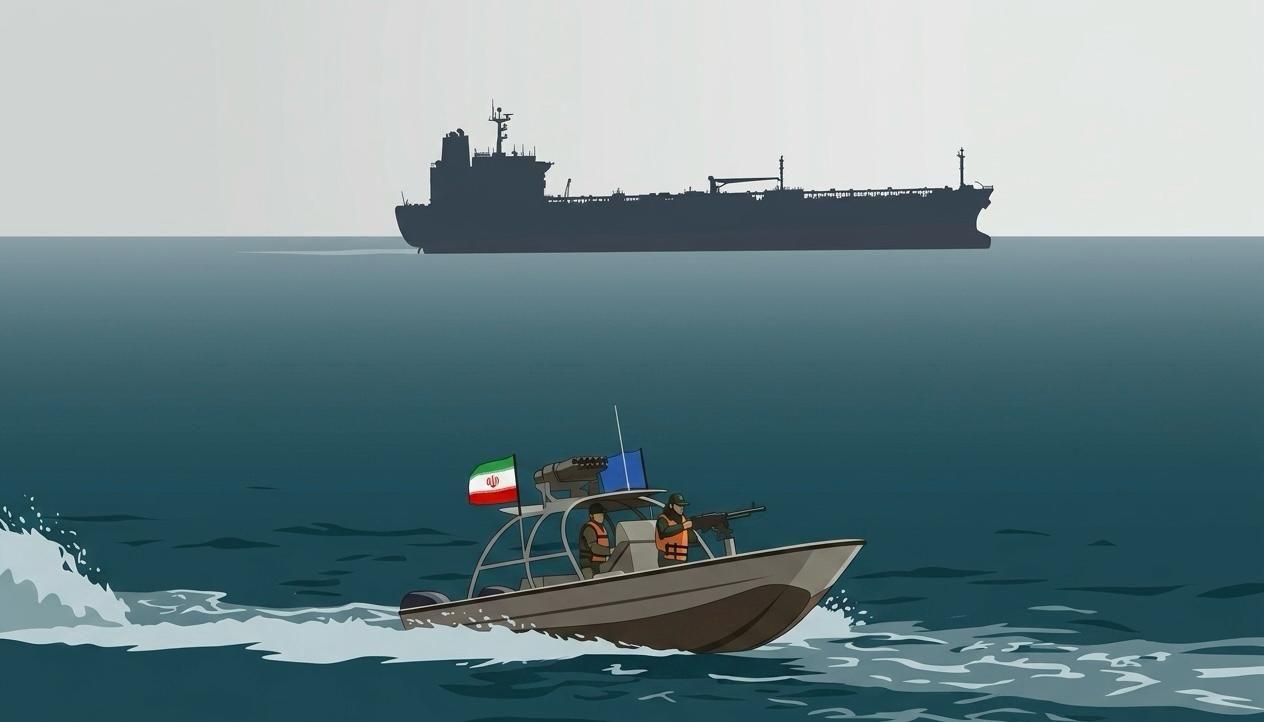
Iran has announced the seizure of two container ships attempting to exit the Gulf without what Iranian authorities described as proper authorization, escalating maritime tensions in one of the world's most strategically critical shipping corridors at a moment when the fragile US-Iran ceasefire is already facing significant stress.
The Iranian government's announcement of the container ship seizures represents a significant escalation in the maritime dimension of the broader US-Iran conflict, which has defined the Gulf's security environment since Operation Epic Fury was launched in February 2026. Iranian authorities stated that the vessels were attempting to exit the Gulf without proper authorization, a claim that asserts Tehran's asserted jurisdiction over commercial transit through waters that international maritime law treats as open sea lanes, subject to freedom of navigation principles.
The seizures arrive against the backdrop of a two-week ceasefire that was announced with considerable diplomatic fanfare but has shown increasing signs of fragility. Iranian ballistic missiles were reported striking Israeli territory on the same day the ceasefire was declared, and the Hormuz toll collection system introduced as a condition of the strait's reopening has generated operational confusion that left 1,000 vessels waiting for clearance. The container ship seizures add a new and more aggressive dimension to a ceasefire that was already being tested along multiple fault lines simultaneously.
The international community's response has been swift in condemnation if not yet in action. The seizures have drawn attention from shipping industry bodies, Western governments monitoring the ceasefire's implementation, and the United States military presence in the region, which has historically served as the primary deterrent against Iranian maritime aggression toward commercial vessels.
No comments yet. Be the first!
The geographic context of the seizures amplifies their significance beyond the immediate fate of two vessels and their crews. The Gulf and the Strait of Hormuz, through which it connects to the broader Indian Ocean, form the central artery of global energy trade, with approximately 20% of the world's daily oil supply transiting the corridor. Any action that introduces credible risk to commercial navigation through the Gulf is not a regional incident but a global economic event.
Iran's naval capabilities in the Gulf have historically relied on asymmetric tactics that pose a disproportionate threat to unarmed commercial vessels relative to their conventional military footprint. Small fast-attack craft equipped with missiles, underwater capabilities, and swarm tactics can intercept and board commercial vessels faster than naval escorts can respond, a dynamic that makes the threat credible even in the presence of US naval assets in the region.
The seizures will immediately affect the calculus of shipping companies evaluating whether to route vessels through the Gulf or accept the additional cost and time of alternative routes that bypass the Strait of Hormuz entirely. As more operators elect to avoid the corridor, the effective capacity of global oil shipping infrastructure contracts is reduced, creating supply-side pressure on energy markets that operate independently of actual production levels.
The shipping insurance market's response to the seizures will be one of the fastest and most concrete economic signals of the incident's impact. War risk insurance premiums for Gulf transit routes were already elevated following the conflict's onset, and the seizure of two vessels attempting routine transit will trigger immediate upward repricing across the Lloyd's market and the specialist marine war risk insurers that cover Gulf exposure.
Higher insurance premiums translate directly into higher operating costs for every vessel transiting the Gulf, costs that are ultimately passed through to cargo owners, refiners, and end consumers of the goods and energy those vessels carry. The compounding effect of premium increases across thousands of annual Gulf transits creates a persistent inflationary drag on the energy supply chain that extends well beyond the immediate incident.
Shipping companies that had been cautiously resuming Gulf transits following the ceasefire announcement will now face a more difficult risk-reward calculation. The three vessels that had crossed Hormuz in the immediate post-ceasefire window had already moved against the grain of an industry that was largely waiting for clearer safety signals. The container ship seizures provide the clearest possible signal that the risk environment has not normalized.
For digital asset markets, the Gulf seizures reintroduce the acute geopolitical risk premium that had begun unwinding following the ceasefire announcement. Bitcoin's response to major maritime escalations in the current conflict cycle has reflected the tension between its safe-haven appeal and its sensitivity to broader risk-off sentiment, with the net direction depending on whether the macro read is inflation-driven safe-haven demand or liquidity-driven risk aversion.
A sustained maritime escalation that pushes oil prices materially higher while simultaneously suppressing risk appetite across equity and crypto markets creates the more challenging scenario for Bitcoin, in which the asset faces selling pressure from leveraged positions being liquidated into a risk-off environment even as its safe-haven narrative strengthens on a medium-term basis.
Ethereum and the broader DeFi ecosystem are more directly exposed to the risk-off component, with on-chain activity metrics and DeFi liquidity conditions typically compressing when traders prioritize capital preservation. Monitoring Brent crude futures, shipping insurance rate movements, and any US military response statements in the hours following the seizure announcement will provide the clearest leading indicators of how severely the maritime escalation is likely to affect crypto market conditions in the sessions ahead.