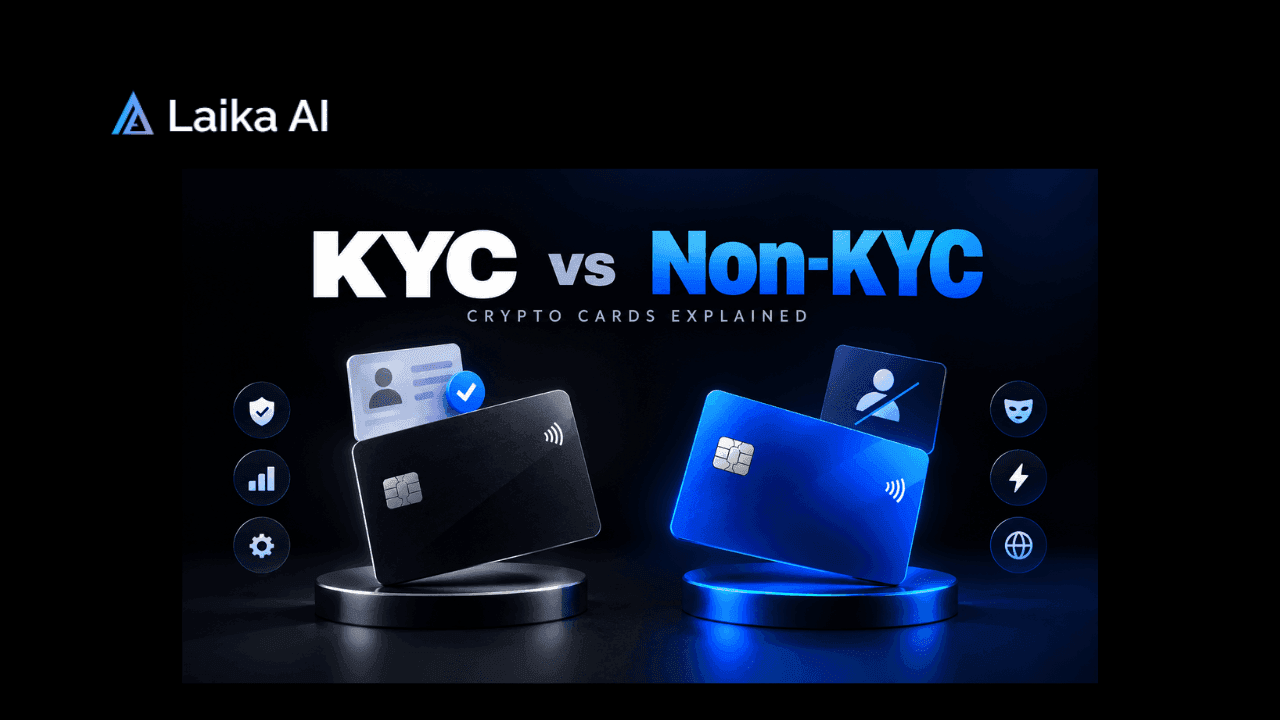
KYC, or Know Your Customer, is the identity check a card issuer runs before it lets you spend. On a crypto card specifically, it's the step where the issuer confirms who you are before connecting your crypto balance to a Visa or Mastercard network.
The reason it exists isn't an arbitrary company policy. Card issuers, and the banks and payment networks behind them, are legally required to verify who they're extending a spending product to. In the US, this traces back to Section 326 of the USA PATRIOT Act, which directs the Treasury Department's Financial Crimes Enforcement Network, FinCEN, to require financial institutions to run a Customer Identification Program before opening an account.
That's the whole mechanism in one sentence: a crypto card is a spending product, spending products touch the banking system, and the banking system has had a legal identification requirement attached to it since 2003.
Why Some Cards Skip It, And What That Actually Changes
Some crypto cards market themselves as no-KYC or low-KYC. What that actually means isn't that the legal requirement disappeared. It means the issuer is taking on more compliance risk itself, usually by staying under a spending threshold small enough that lighter verification is defensible, or by structuring the product so a bank's full CIP obligation doesn't attach to it the same way.
Kripicard's own page on the topic states this plainly rather than dodging it: skipping full verification typically means lower limits, higher fees to offset compliance and fraud risk, a real chance of sudden freezes if the issuer is forced to tighten its rules, and no clear recourse if funds get locked because there's no verified identity to confirm ownership against. That's the issuer's own admission of how the tradeoff prices out, not a rival's guess at it.
There's a concrete number behind the freeze risk, too. Independent reviewer SpendNode notes that when a cardholder can't verify their identity after the fact, some issuers hold the funds for 90 to 180 days before returning them, minus fees, to the original funding source. That's not a rare edge case; it's the standard resolution path several issuers publish for exactly this situation.
In practice, this trades off in two consistent ways.
- Lower limits. An issuer skipping full verification usually caps spending and loads lower, because it's carrying more of the compliance risk itself rather than passing it to a fully verified customer relationship.
- Narrower availability. Regions with stricter banking regulation tend to see no-KYC products restricted first, since that's exactly where regulators look hardest.
Neither of these is a loophole closing. It's the same legal requirement, with the issuer choosing to absorb more of the risk rather than making you clear the full bar upfront. Genuinely zero-verification cards are also rarer than the marketing around this category suggests: one card tracker following the space actively counts only a handful of live cards, out of everything it monitors, that verify no identity at all.
The Real Tradeoffs
Here's the side-by-side that actually matters when you're picking a card, not a marketing comparison.
The pattern across every row is the same. A fully verified card trades a slower, more invasive signup for a more capable, more protected card. A no-KYC card trades that protection for speed and less data collected upfront
No-KYC Does Not Mean Untraceable
This is worth stating plainly, because marketing in this category often blurs it. Skipping identity verification at signup doesn't erase the trail your spending leaves elsewhere.
Every card, verified or not, settles transactions through Visa or Mastercard's own network, which records the merchant, amount, and timestamp regardless of what the issuer collected from you. Most of the crypto that funds these cards moves over a public blockchain, which is inherently traceable to anyone who knows where to look. And a lot of "no-KYC" tiers still log an email address and IP address at signup, which is itself identifying information, just less of it than a passport scan.
The accurate way to think about it: less data collected up front, not no data trail at all.
Who Should Choose Which Type
This isn't really a "best" question. It's a good question.
If You Want The Fully Verified Card
- You want the highest available spending limit.
- You'd rather have account recovery and dispute protection if something goes wrong.
- You're comfortable handing over identity documents to one more company.
If You Want The No-KYC Or Light-KYC Card
- You want a card fast, without a document-review wait.
- You're loading a smaller balance where losing dispute protection matters less.
- You're in a region with limited banking access, and a lighter-verification card is genuinely your most practical option.
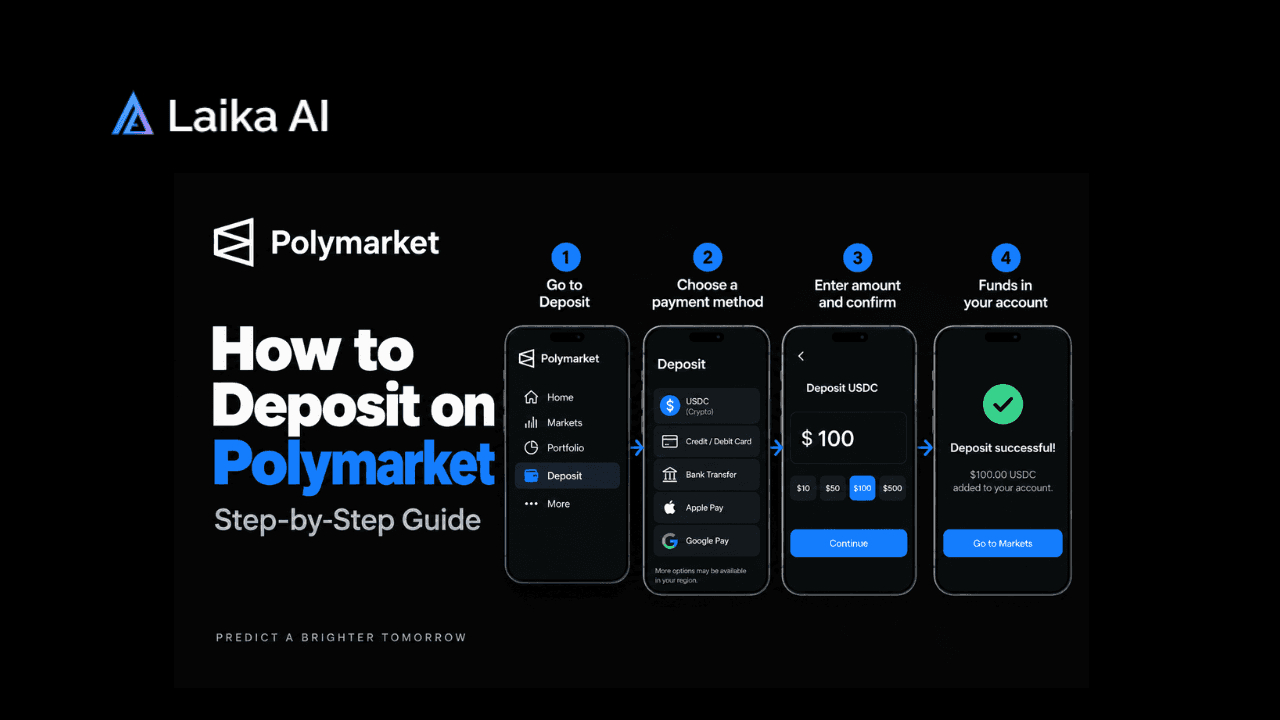
What it doesn't fit is anyone trying to avoid a legal reporting obligation. That's a different problem than privacy, and a no-KYC card doesn't solve it. The same logic applies outside crypto cards entirely: routing around a geographic restriction with something like using a VPN with Polymarket doesn't remove the underlying compliance requirement either; it just changes who notices first. And the general principle, that a verification requirement is worth explaining honestly rather than defensively, is the same one behind something as mundane as Kalshi's age requirement, where the rule exists for a plain regulatory reason rather than an arbitrary one.
Close: Which Comparison To Read Next
If you've decided full verification is the right tradeoff for you, the practical next step is picking which card, and our best crypto card comparison for 2026 ranks the fully verified options on fees, cashback, and country availability. If lighter verification fits your situation better, our best no-KYC crypto card comparison covers which cards actually deliver on that promise and which ones oversell it.
Frequently Asked Questions
What is KYC in crypto?
KYC, or Know Your Customer, is the identity verification process a crypto card, exchange, or wallet runs to confirm who a user is before granting access to a financial product. It exists because of legal requirements like the US Customer Identification Program rule, not because of individual company preference.
What is the difference between KYC and no-KYC?
A KYC card verifies your identity upfront, usually with a document and a face scan, in exchange for higher limits and stronger account recovery and dispute protection. A no-KYC or light-KYC card asks for less identity information at signup, but typically caps your spending lower and offers weaker recovery options if something goes wrong, sometimes holding disputed funds for 90 to 180 days if identity can't be confirmed after the fact.
What is KYC on a crypto exchange specifically?
On an exchange, KYC verifies your identity before you can deposit, trade, or withdraw funds, and it's required under the same anti-money-laundering framework that applies to banks. Exchanges typically layer verification in tiers, with higher withdrawal limits unlocked at fuller verification levels.
Do crypto wallets require KYC?
A self-custody wallet itself, the software that holds your private keys, doesn't require KYC because no company is extending you a financial product. KYC enters the picture at the point where you connect that wallet to a service that touches the banking system, such as a card, an exchange on-ramp, or a fiat off-ramp.
What are people asking about crypto KYC on Reddit?
Common threads center on which cards' "no-KYC" marketing actually holds up once you're using the card, since several products advertised as no-KYC have been reclassified by independent trackers once real user reports came in describing sudden full-verification demands or frozen funds.