Laika AI
Last Updated
May 6, 2026

US stock futures moved higher on Sunday evening as markets responded with cautious optimism to the announcement of Project Freedom, a new US government initiative aimed at securing safe passage for cargo vessels stranded in the Strait of Hormuz amid escalating geopolitical tensions in the region.
The S&P 500, Nasdaq, and Dow Jones Industrial Average all registered positive movement in pre-market trading as the week opened, with the announcement of Project Freedom providing a clear catalyst for the uptick in sentiment. The move higher in futures reflects a pattern that markets have exhibited repeatedly during this period of Hormuz-related volatility: any signal of de-escalation or active US intervention to protect shipping lanes tends to produce an immediate, if cautious, positive response from equity participants.
Sunday evening futures trading carries particular weight as a sentiment indicator because it represents the first opportunity for markets to reprice following weekend developments. The fact that all three major US indices showed positive movement before Monday's open suggests that Project Freedom was broadly interpreted as a stabilizing signal rather than a further escalation of tensions.
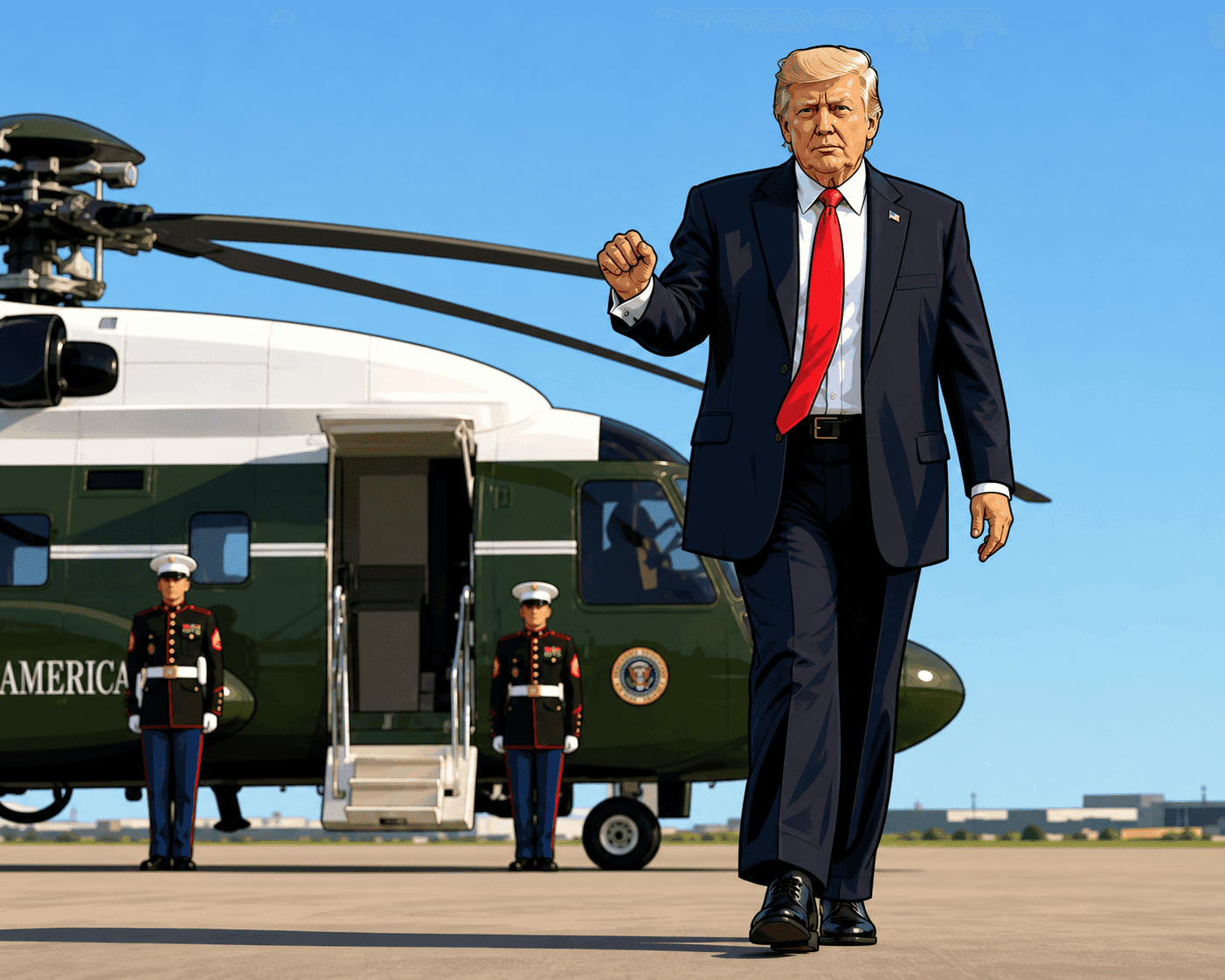
The initiative was announced by former President Donald Trump, who framed it as a necessary intervention to protect vessels from nations not party to the regional conflict from being caught in the disruption to Strait of Hormuz shipping. The stated aim is to assist cargo ships that have been stranded as a result of the ongoing tensions, enabling their safe passage through the waterway.
As of Sunday evening, the specifics of how Project Freedom will be executed remain unclear. No detailed operational plan has been made public, and questions remain about the exact nature of the US role, whether it involves naval escorts, diplomatic coordination with regional parties, or a combination of approaches. The initiative is set to commence on Monday, meaning the market is currently pricing the announcement rather than the execution.
No comments yet. Be the first!
That distinction matters. Markets are responding to the signal that the US intends to act rather than to confirmed evidence that the action is working. Analysts are noting that the effectiveness of Project Freedom will ultimately be measured by whether it produces tangible improvements in shipping conditions through the strait, and that assessment will take time to develop.
The Strait of Hormuz connects the Persian Gulf to open ocean shipping lanes and handles a substantial portion of the world's daily oil shipments. Disruptions to transit through the strait translate directly into oil supply uncertainty, which feeds into energy prices across global markets and ripples through to inflation expectations, transportation costs, and the earnings outlook for sectors ranging from airlines to manufacturing.
The volatility in oil prices that has accompanied the current period of Hormuz tension has been a persistent background factor for equity markets throughout recent weeks. A credible signal that the US is moving to stabilize shipping through the region, therefore carries implications that extend well beyond the energy sector, touching the broader cost structure of the global economy at a time when inflation and interest rate trajectories are already under close scrutiny.
Beyond the specific mechanics of Project Freedom, the announcement has fed into a broader narrative around potential diplomatic progress between the US and Iran. The possibility of peace talks moving forward has contributed to the more optimistic tone visible in Sunday evening futures, as investors weigh the scenario where reduced tensions in the Middle East lead to a more stable and predictable oil supply environment in the months ahead.
That optimism is being held alongside appropriate caution. Geopolitical situations of this complexity rarely resolve cleanly or quickly, and the history of Hormuz-related market moves includes numerous instances where initial optimism gave way to renewed uncertainty as the situation on the ground evolved in ways that did not match early signals.
The geopolitical catalyst is landing against a backdrop that is independently supportive of equity market sentiment. The current earnings season has been described by analysts as one of the strongest in recent memory, with companies across multiple sectors reporting results that have met or exceeded expectations. That corporate performance foundation provides a degree of underlying support for the market that makes it more responsive to positive geopolitical news than it might be in a period of broader fundamental weakness.
The combination of strong earnings and a potential easing of Hormuz tensions has created what analysts are characterizing as a favorable short-term environment for equities, even as longer-term questions about Federal Reserve policy decisions and the durability of geopolitical improvements remain open.
With Project Freedom set to commence on Monday, the immediate focus for market participants will shift from the announcement itself to the first signs of how the initiative is being implemented and whether it is producing results on the ground. Further statements from the Trump administration, reactions from Iran, and any changes in the operational status of shipping through the strait will all be closely monitored as the week develops.
Federal Reserve communications and the ongoing flow of corporate earnings reports will run in parallel, meaning the market faces a dense information environment in the days ahead. How these threads interact, geopolitical developments, monetary policy signals, and corporate performance data, will shape the durability of Sunday evening's positive move and determine whether the initial optimism around Project Freedom translates into sustained market momentum.