US Freezes $344 Million in Crypto Tied to Iran as Ceasefire Holds
 Crypto market

Last Updated
May 6, 2026
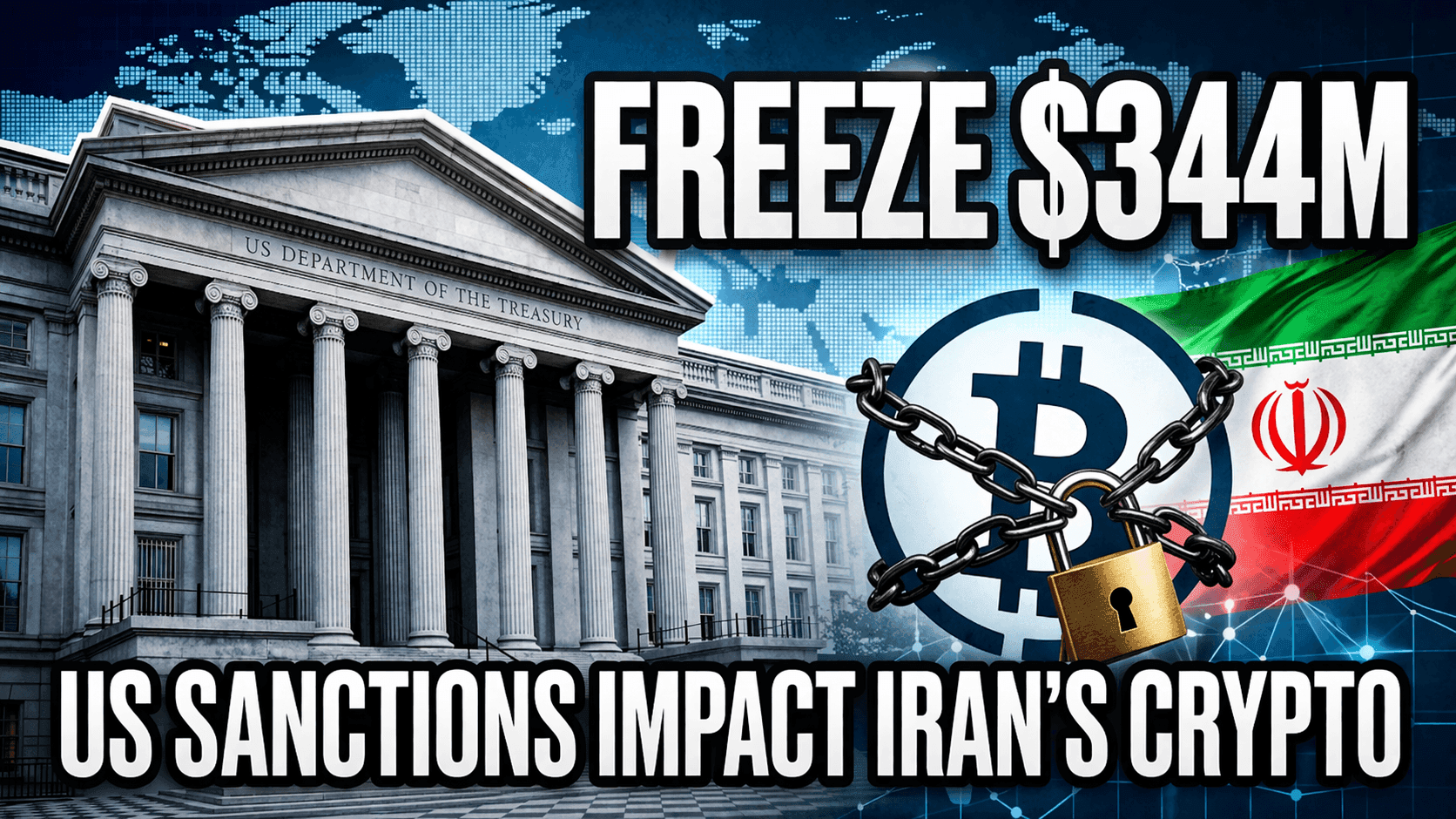
Washington, D.C. — In a significant move reflecting ongoing geopolitical tensions, the United States has frozen $344 million in cryptocurrency linked to Iran. The action is part of a broader strategy to exert financial pressure on the Iranian government amid a fragile ceasefire and unresolved conflicts between the two nations.
The freezing of these assets underscores the increasing use of economic tools in international relations, particularly in the context of sanctions and financial restrictions. The US government has long leveraged its financial system to influence foreign policy, and this latest action is a clear indication of that strategy.
Targeting Iran-Linked Digital Assets
The cryptocurrency in question is reportedly associated with Iranian entities under scrutiny for activities the US government deems threatening to national and global security. By targeting these digital assets, the US aims to disrupt financial networks that support Iran's operations, particularly those potentially linked to its nuclear program or regional military activities.
This development comes as the geopolitical landscape remains volatile. The ceasefire, while a temporary measure, highlights the delicate balance of power in the region. The US decision to freeze these assets may be seen as a warning to Iran, signaling that aggressive actions could lead to further economic repercussions. Prediction markets have also reacted to regional instability, with traders on Polymarket tracking Iran ceasefire odds and claims of political manipulation.
Crypto’s Role in Sanctions and Global Finance
The implications of this move extend beyond the immediate financial impact. It raises questions about the role of cryptocurrencies in international finance and the ability of governments to regulate and control digital assets. As crypto becomes more mainstream, its use in circumventing traditional financial systems poses challenges for regulators worldwide.
Comments (0)
No comments yet. Be the first!
 Top Stories