Laika AI
Last Updated
April 14, 2026

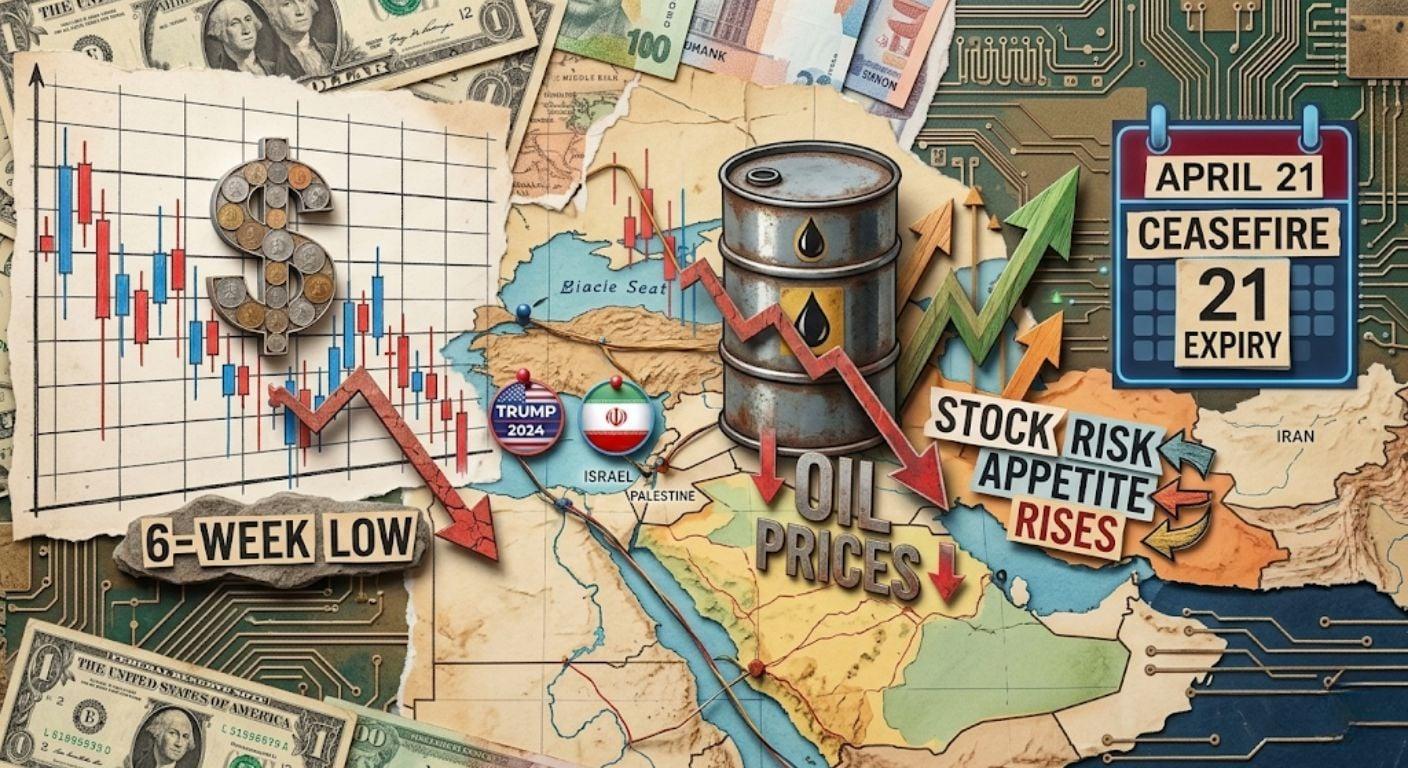
The US dollar traded close to a six week low against a basket of major currencies on Tuesday as fresh optimism emerged around efforts to end theIran war. The conflict, which erupted after US and Israeli strikes on February 28 2026, has weighed on global markets for weeks but now shows tentative signs of de escalation.
This development has triggered weakened oil prices and a noticeable improvement in overall risk appetite among investors. With reduced fears of prolonged energy supply disruptions, traders have begun shifting away from traditional safe haven assets such as the dollar.
The US Dollar Index, which tracks the greenback against six major currencies, stood at 98.361 in recent trading. The index remained near its overnight low of 98.297, reflecting sustained pressure on the currency amid the positive geopolitical headlines.
Analysts point to the current two week ceasefire framework as a key factor. Although fragile, the pause in hostilities has opened the door for continued diplomacy. The ceasefire is scheduled to expire on April 21, leaving a narrow window for further negotiations that could lead to a more permanent resolution.
Recent public statements have added to the cautious optimism. US President Donald Trump suggested that ongoing talks could still produce a meaningful agreement. Meanwhile, Iran's Foreign Minister indicated that discussions had made progress on several critical issues even without a finalized deal.
No comments yet. Be the first!
The Iran war significantly disrupted energy flows, particularly through the strategically vital Strait of Hormuz. Hopes for restored stability have contributed to a sharp pullback in oil prices, easing inflationary concerns that had previously supported the dollar.
Lower energy costs typically reduce pressure on central banks to maintain higher interest rates, which in turn diminishes the relative attractiveness of the US dollar. This dynamic has encouraged investors to embrace riskier assets, including equities and emerging market currencies.
Improved risk appetite has been evident across financial markets. Stock indices in major economies have shown resilience, while commodities tied to industrial activity have stabilized. The combination of geopolitical relief and softer oil prices has created a more favorable environment for growth oriented investments.
For currency traders, the current movement in the US dollar represents a reversal from the safe haven buying seen during the height of the conflict. When tensions peaked following the February 28 strikes, the dollar often strengthened as investors sought protection amid uncertainty.
Now, with signs of progress in Iran peace talks, that safe haven premium is eroding. However, analysts caution that the situation remains fluid. Any breakdown in negotiations or violation of the ceasefire could quickly reverse recent gains in risk assets and push the dollar higher once again. Investors navigating this environment may also want to exploretokenised stocks as an alternative way to gain diversified exposure while traditional currency and equity markets remain sensitive to geopolitical headlines.
The April 21 deadline adds urgency to diplomatic efforts. Market participants will closely monitor statements from both Washington and Tehran in the coming days. Additional progress toward reopening key maritime routes could further weigh on the dollar while supporting global growth expectations.
The interplay between geopolitics and macroeconomics remains front and center. Investors have grown accustomed to sharp swings in the US dollar and oil prices tied to developments in the Middle East. The current phase of cautious optimism offers some breathing room but does not eliminate underlying risks.
Portfolio managers are advised to maintain flexibility. While risk appetite has improved, positions should account for the possibility of renewed volatility if talks stall. Currency hedges and exposure to energy sensitive sectors may require close attention as the ceasefire period unfolds.
Fixed income markets have also reacted, with Treasury yields showing modest adjustments in response to shifting inflation and growth outlooks. A sustained period of lower oil prices could support softer yield curves if it translates into reduced price pressures.
As negotiations continue, the US dollar is likely to remain sensitive to headlines from the Iran war front. A successful extension or upgrade of the ceasefire could extend the current weakness in the greenback. Conversely, any escalation would likely trigger a swift rebound.
President Trump has maintained a mix of tough rhetoric and openness to dialogue, an approach that has kept markets on edge yet hopeful. Iran's willingness to engage despite ongoing challenges signals that both sides recognize the high costs of prolonged conflict.
Global investors will continue watching the dollar index level around 98.30 as a near term technical floor. A break below recent lows could open the door for further downside, while a bounce would indicate returning safe haven demand.
The coming week promises to be eventful. With the ceasefire expiry approaching, any breakthroughs in talks could have outsized effects on currencies, commodities, and equities alike. For now, the US dollar trades with a softer bias as markets price in the possibility of reduced geopolitical tensions.