Laika AI
Last Updated
April 15, 2026

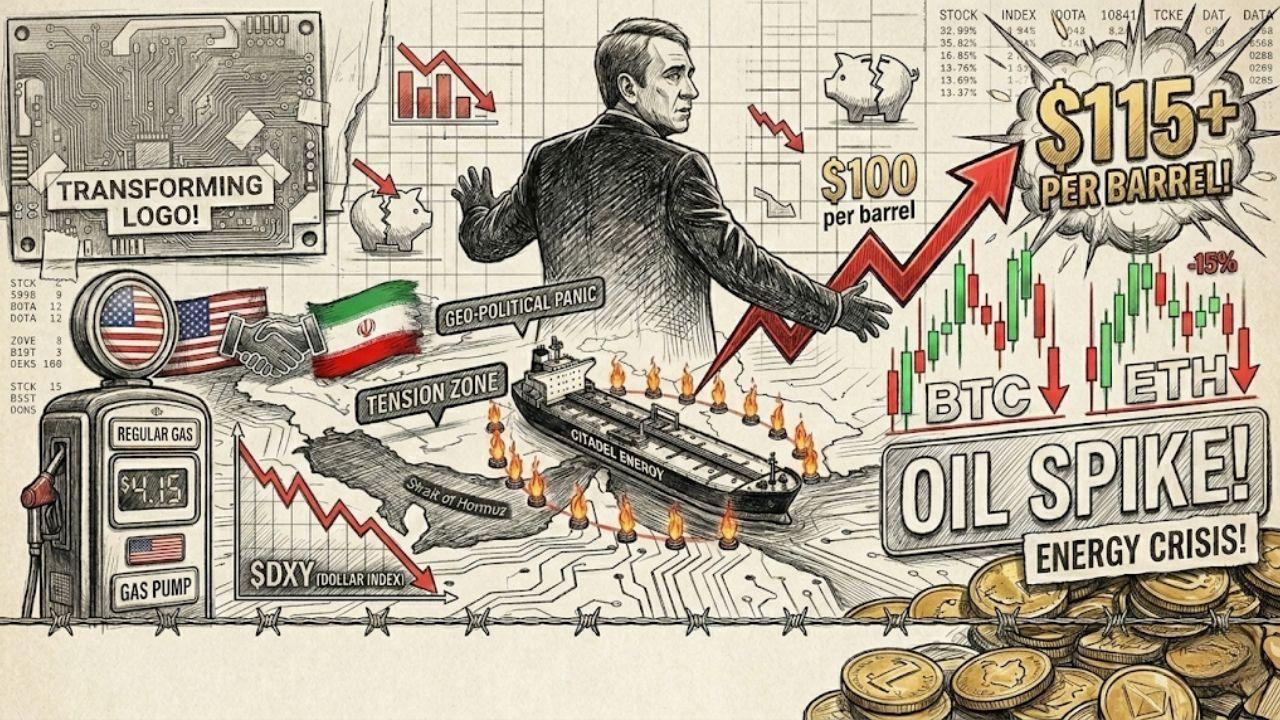
Ken Griffin, the CEO of Citadel, has issued a stark warning about an unfolding classic energy price shock triggered by ongoing disruptions in the Strait of Hormuz. Speaking at a major economic conference, the hedge fund manager highlighted the severe risks to the global economy from the persistent closure of this critical waterway.
The Strait of Hormuz serves as a vital chokepoint for roughly 20 percent of global oil supply. Disruptions there, which followed US and Israeli strikes on Iran that began in late February 2026, have created one of the largest supply interruptions in modern history. A detailed account of how thoseinitial US and Israeli strikes on Iran set off the oil price spike and rattled crypto, bond, and currency markets provides essential background on how the current crisis unfolded. This event dwarfs the scale of the 1973 Arab oil embargo in relative impact.
Griffin described the situation bluntly. He stated that a prolonged shutdown of the strait lasting six to twelve months would make a global recession unavoidable. Key factors include rapidly depleting strategic petroleum reserves, strained supply chains, and sustained high energy costs that would ripple through every sector.
Even shorter disruptions have already increased recession risks significantly. The billionaire investor noted that economies, especially in Asia and Europe, remain highly vulnerable to elevated oil prices that have climbed toward and above the $100 per barrel mark in recent weeks.
No comments yet. Be the first!
Confirmed data shows the energy shock feeding directly into consumer prices. US gas prices have jumped from around $2.98 to over $4.14 per gallon in a short period. Diesel prices have risen even more sharply. These increases drove a 0.9 percent month-over-month rise in the Consumer Price Index for March 2026, the largest such gain since 2022.
Energy costs accounted for the bulk of the CPI acceleration, pushing the annual inflation rate to 3.3 percent. Forecasters now expect inflation to climb further toward 3.56 percent in April. Core inflation, which excludes volatile food and energy, has also edged higher, complicating the policy outlook for central banks.
Small business owners are feeling the pressure. The National Federation of Independent Business reported optimism falling to 95.8 in March, below the long-term average. Many cited squeezed profit margins caused by higher energy expenses and broader cost increases.
In currency markets, the US dollar has traded near a six-week low against a basket of major currencies. The dollar index hovered around 98.361 after touching an overnight low of 98.297. This softening reflects improved risk appetite among investors as optimism grows around potential progress toward ending the Iran conflict.
Recent comments from US President Trump suggested that negotiations could still produce a deal. Iran's Foreign Minister indicated that discussions had advanced on several issues even without a formal agreement. A current ceasefire arrangement is set to expire on April 21, raising the possibility of further talks in the coming days.
Oil prices have eased somewhat from recent peaks on these developments, contributing to the relief in risk assets and the softer dollar. This brief window of optimism has already shown measurable effects across financial markets, with crypto assets among the beneficiaries as explored in this analysis of theDeFi index surge tied to Iran ceasefire hopes and Trump's diplomatic signals. However, analysts caution that any breakdown in talks or renewed disruptions could quickly reverse these gains.
The energy price shock differs from past episodes because of its scale and the time required for supply chains to adapt. Shipping, manufacturing, and logistics sectors face particular strain. Airlines and other transport-heavy industries are already bracing for higher operating costs that could erode profitability.
Major stock indexes have entered correction territory amid fears that persistent inflation will force tighter monetary policy or delay rate cuts. Investors are watching several signals closely: timelines for any reopening of the Strait of Hormuz, whether oil prices remain above $100 per barrel, upcoming NFIB small business surveys, and updated Federal Reserve inflation projections. In this environment, decentralized oracle networks that provide real-time commodity and energy price data to on-chain applications have gained renewed relevance, making resources such asChainlink price prediction and infrastructure outlook worth monitoring for those tracking crypto's intersection with macro markets.
Unlike the 1973 embargo, which lasted about five months before being resolved, the current situation is more uncertain due to geopolitical complexities. Shorter disruptions might limit long-term damage, but Griffin and other observers stress that extended closure leaves little room for a soft landing.
The combination of energy-driven inflation, supply constraints, and fragile ceasefire hopes creates a complex environment for investors. While some relief has appeared in currency and equity markets on diplomatic progress, the underlying risks from the Hormuz disruptions remain elevated.
Market participants are advised to prepare emergency financial buffers and monitor developments closely. Energy sector strength may continue in the near term, but broader recession fears could weigh on cyclical stocks if the situation does not improve quickly.
As the April 21 ceasefire deadline approaches, global markets will remain on edge. The statements from Ken Griffin serve as a reminder of how quickly geopolitical events in key energy corridors can reshape economic outlooks worldwide.