Laika AI
Last Updated
April 13, 2026

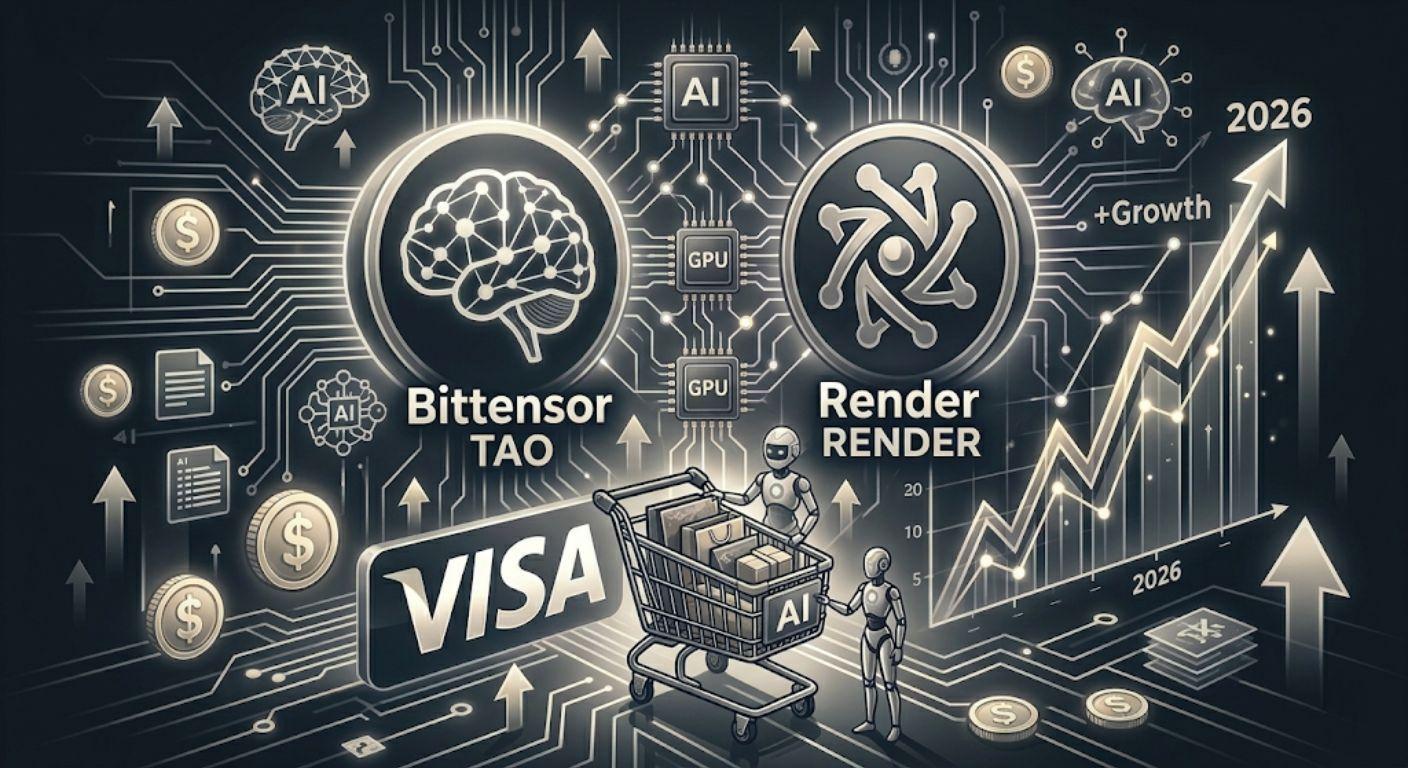
Decentralized AI has rapidly become the standout growth vertical in the cryptocurrency market for 2026, according to the latest insights from KuCoin. The exchange's April 2026 report positions AI-blockchain infrastructure as the dominant sector. Projects like Bittensor (TAO) and Render (RENDER) are leading the charge by shifting focus from hype-driven narratives to verifiable revenue models and real-world utility.
This marks a clear maturation in the crypto space where tangible infrastructure and measurable performance now drive investor interest more than pure speculation. The report underscores howdecentralized AI protocols deliver actual economic value through compute power, model training, and inference services that compete directly with centralized alternatives.
According to the KuCoin April 2026 strategic report,Bittensor (TAO) and Render (RENDER) stand at the forefront of this transformation. Bittensor achieved a milestone with its Templar subnet, completing the largest language model training run ever recorded on a decentralized network. This demonstrated that peer-to-peer systems can rival traditional data centers in scale and capability.
Render Network (RENDER) has successfully pivoted from its origins in 3D rendering to become a major provider of decentralized GPU compute tailored for AI workloads. As demand for AI inference continues to explode, RENDER offers cost-effective and accessible resources for startups and developers seeking alternatives to centralized GPU providers.
No comments yet. Be the first!
The report notes that several AI-linked tokens, including TAO and RENDER, have generated substantial real revenue in the first quarter of 2026. Bittensor led with over 43 million dollars in revenue, while Render contributed significantly through its expanding GPU marketplace. This performance contrasts sharply with broader market segments still recovering from earlier volatility.
Other tokens in the space also posted notable figures, but TAO and RENDER consistently rank at the top for both revenue generation and network activity. The shift toward utility-based models has helped stabilize the sector even as overall crypto prices experienced fluctuations.
Adding further momentum to the decentralized AI narrative, Visa recently launched Intelligent Commerce Connect. This new platform forms part of the Visa Intelligent Commerce portfolio and enables AI agents to shop and complete payments seamlessly across various merchants.
The initiative acts as a network and protocol agnostic on-ramp for agentic commerce. It allows AI agents to handle transactions using both Visa and non-Visa payment methods while maintaining security and flexibility for businesses and developers. The launch signals growing mainstream recognition of AI agents as active participants in the digital economy.
By integrating payment capabilities, Visa is helping bridge traditional finance with the emerging world of autonomous AI systems. This development could accelerate the adoption of blockchain-based AI infrastructure as agents increasingly interact with decentralized applications and marketplaces.
The convergence of AI and blockchain addresses key limitations of centralized systems, such as high costs, censorship risks, and limited accessibility. Bittensor (TAO) creates a decentralized marketplace for intelligence where AI models compete and earn rewards based on performance. This incentive structure fosters innovation without relying on single corporate gatekeepers.
Render (RENDER) solves the critical bottleneck of GPU compute by creating a distributed network of resources. As AI training and inference demands grow exponentially, decentralized solutions provide scalable and more affordable alternatives. Both projects have reported strong year-to-date gains and increased institutional interest throughout 2026.
Analysts point to several factors driving this dominance. First, verifiable revenue from actual usage replaces earlier narrative-driven pumps. Second, technological milestones such as record decentralized LLM training runs build credibility. Third, partnerships and ecosystem expansions, including hardware integrations, strengthen long-term prospects.
The broader decentralized AI sector has outperformed many other crypto verticals in early 2026. While Bitcoin and Ethereum faced pressure, AI-related tokens posted consistent gains supported by fundamental progress rather than market sentiment alone.
Despite the positive momentum, the sector faces ongoing challenges. Network scalability, energy efficiency for compute tasks, and regulatory clarity around AI applications remain important considerations. However, the combination of real revenue generation and mainstream corporate interest from players like Visa suggests strong resilience.
Looking ahead, KuCoin analysts recommend balanced exposure strategies with core holdings in leading infrastructure projects like TAO and RENDER. As AI agent capabilities expand through platforms such as Intelligent Commerce Connect, demand for underlying decentralized compute and intelligence layers is expected to rise further.
The report concludes that 2026 represents a pivotal year where decentralized AI moves from the experimental phase to a core pillar of the crypto economy. Projects delivering measurable utility and revenue are positioned to capture significant market share as the technology matures.
For investors and developers, the message is clear. Focus is shifting toward protocols that power the AI revolution through open, permissionless networks. Bittensor and Render exemplify this new paradigm by combining blockchain incentives with cutting-edge artificial intelligence capabilities.
As more traditional finance entities explore AI integrations, the role of decentralized infrastructure will likely expand. The KuCoin April 2026 findings and Visa's latest launch together paint an optimistic picture for the continued growth of this dynamic sector throughout the year and beyond.