Warren Buffett Says Berkshire Will Deploy Cash in a Market Crash as Crypto Watches for Risk-On Spillover
 Macro market
Last Updated
April 1, 2026
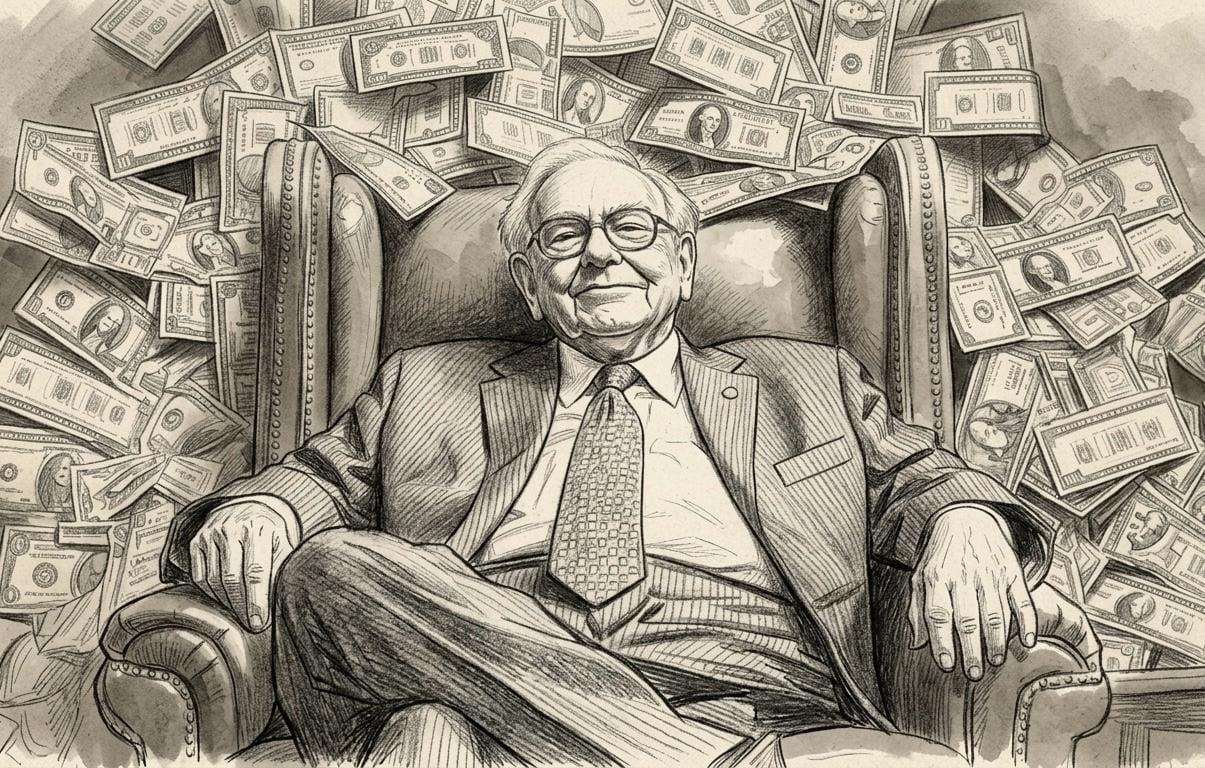
Warren Buffett Says Berkshire Will Deploy Cash in a Market Crash as Crypto Watches for Risk-On Spillover
In a closely watched CNBC Squawk Box interview, Warren Buffett confirmed that Berkshire Hathaway is prepared to put its formidable cash reserves to work if a significant market decline arrives, a signal that carries implications well beyond traditional equity markets.
Buffett Confirms Deployment Stance on Live Television
Warren Buffett, the 94-year-old chairman and CEO of Berkshire Hathaway, used a recent appearance on CNBC's Squawk Box to deliver one of the clearest statements of intent the company has made in years. Berkshire will deploy capital aggressively if markets experience a meaningful downturn, he said, framing the firm's current cash buildup not as defensive hesitation but as deliberate preparation.
The remarks arrive at a moment of unusual tension across global financial markets, with equity valuations stretched, geopolitical risk elevated, and central bank policy still in flux. For investors parsing macro signals, Buffett's posture functions as a forward-looking indicator of where one of the world's most respected capital allocators sees value forming.
$17 Billion in Treasury Bills Signals the Scale of Dry Powder
To illustrate the depth of Berkshire's readiness, Buffett disclosed that the firm purchased approximately $17 billion in US Treasury bills during just one week. The purchase reflects a cash management strategy that keeps capital productive in the short term while preserving flexibility for large-scale deployment when the right opportunity presents itself.
Berkshire's overall cash position has been a subject of significant market discussion over the past two years. The firm has consistently allowed its reserves to grow rather than forcing capital into overvalued positions, a discipline that has occasionally drawn criticism from analysts focused on near-term return metrics. Buffett's response has remained consistent: holding cash is not a mistake when the alternative is overpaying.
Comments (0)
No comments yet. Be the first!
 Top Stories