Warren Buffett Confesses He Sold Apple 'Too Soon' in First Post-Retirement Interview
 Corporate treasury

Last Updated
April 1, 2026
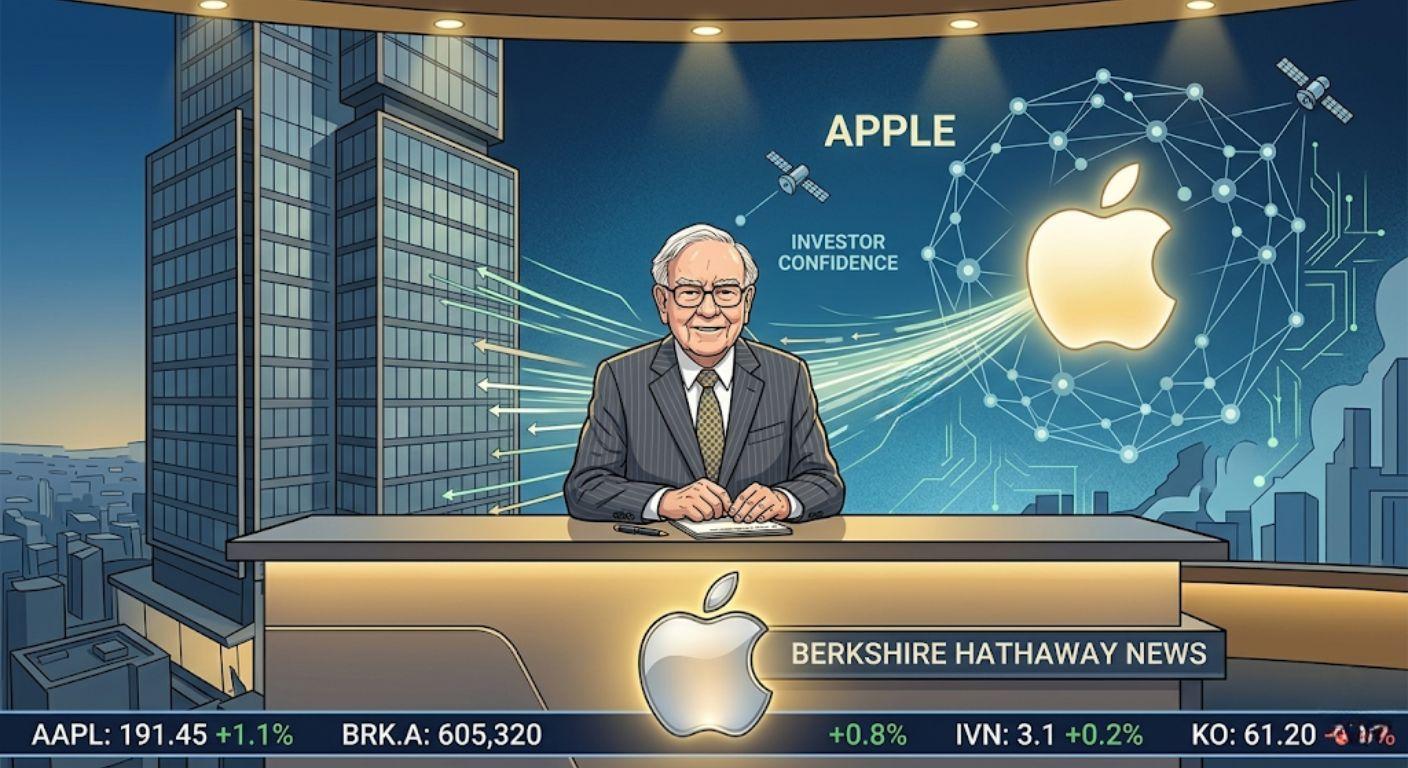
The Oracle Speaks: Buffett Breaks Silence After Retirement
Warren Buffett, widely regarded as the greatest investor of the modern era, has broken his post-retirement silence in a candid CNBC interview, admitting that Berkshire Hathaway offloaded its massive Apple position earlier than it should have.
"I sold it too soon," Buffett told CNBC, before adding with characteristic wit, "But I bought it even sooner." The remarks mark his first major media appearance since stepping down as Berkshire Hathaway's Chief Executive Officer, and investors across Wall Street took notice.
From $170 Billion Peak to a Calculated Retreat
Berkshire Hathaway first began acquiring Apple shares in 2016, steadily building one of the most celebrated equity positions in modern financial history. The stake peaked at over $170 billion in 2023, a figure that cemented Apple as the crown jewel of Berkshire's sprawling portfolio.
Between 2023 and 2024, however, Berkshire reduced its Apple holding by roughly two-thirds. Sales continued gradually through 2025 and into February 2026, trimming the position to its current valuation of approximately $62 billion. Despite the reduction, Apple remains Berkshire's single largest public equity holding by a considerable margin.
The moves were not without reward. Berkshire has realized over $100 billion in pre-tax gains from the Apple investment, a return that few institutional investors could rival.
Buffett Still Bullish on Apple's Business
Comments (0)
No comments yet. Be the first!
 Top Stories