US Home Foreclosures Hit Highest Level Since 2020 as Costs Soar
 Equity market

Last Updated
May 6, 2026
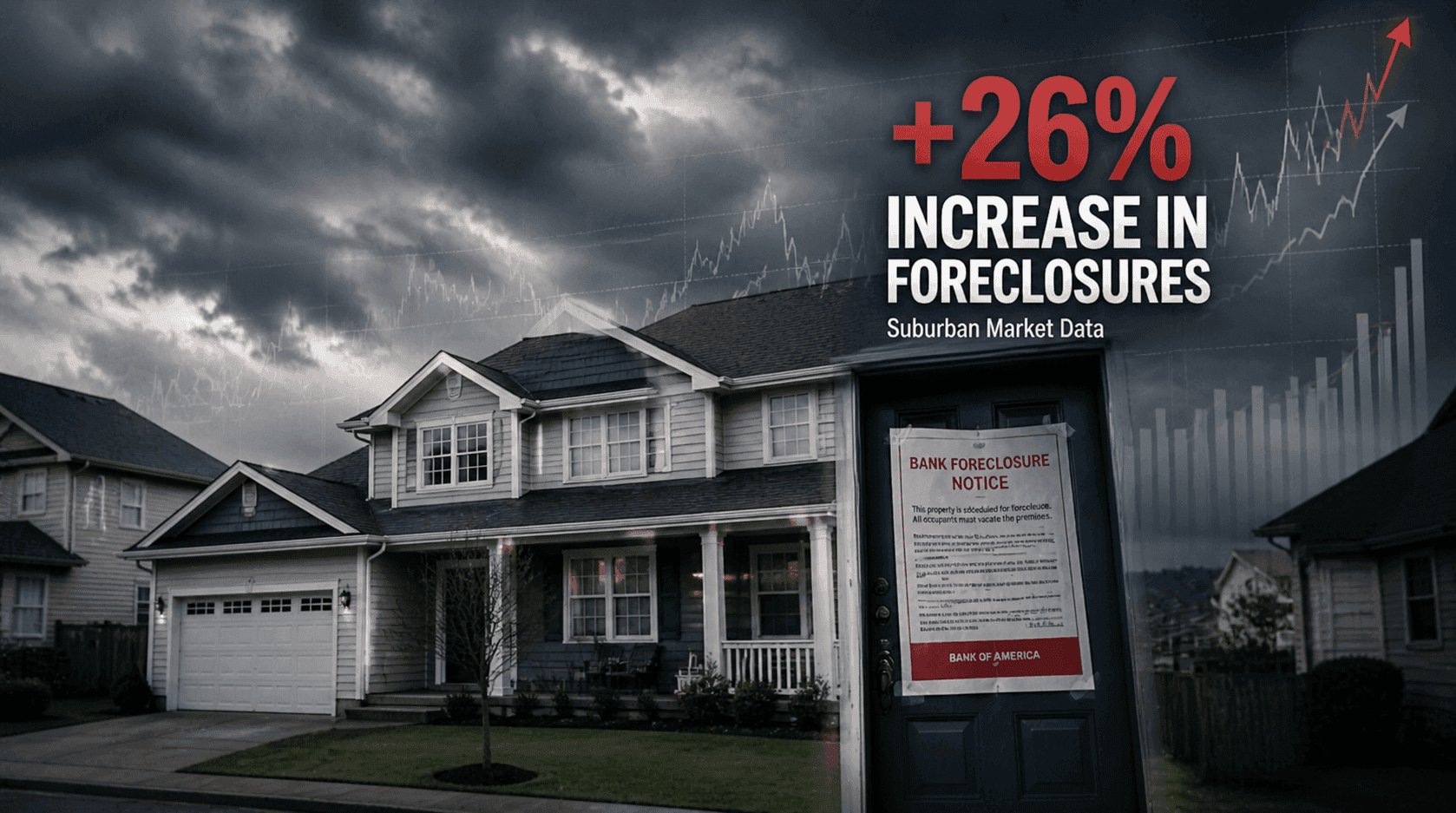
Foreclosure filings in the United States surged to their highest level since early 2020, signaling deepening financial stress for homeowners. Nearly 119,000 properties faced foreclosure in the first quarter of 2026, a 26% jump from the same period last year, according to a report from The Wall Street Journal.
The sharp rise is driven by a mix of escalating property taxes, soaring insurance premiums, and the end of COVID-era mortgage relief programs. Combined with persistent mortgage rates near 6.5%, many households are now facing what economists call payment shocks.
Payment Shocks Hit Recent Homebuyers Hardest
Marina Walsh, an economist at the Mortgage Bankers Association, said many homeowners are struggling to absorb higher costs tied to taxes and insurance while also dealing with job instability.
The pressure is worse for people who bought homes in the last few years. These buyers often paid higher prices and took on less favorable loan terms during the pandemic boom. Now, with credit card delinquency rates rising and student loan payments resuming, household budgets are stretched thin.
“Borrowers are getting hit from multiple sides,” Walsh noted. “Insurance, taxes, and debt obligations are all increasing at once.”
Foreclosures Still Below Historic Peaks But Rising Fast
Despite the spike, current foreclosure levels remain below long-term historical averages. The US has seen far worse during past recessions. Still, analysts warn the trend could worsen if economic conditions fail to improve.
High mortgage rates are a key factor. At around 6.5%, borrowing costs have locked many homeowners into their current properties. Those who refinanced or bought at 3% rates during 2020 to 2021 are reluctant to sell and take on a new loan at double the rate.
This reluctance is creating a backlog of distressed properties. If more owners are forced into foreclosure, the added supply could weigh on home prices, especially in markets where affordability is already strained.
Comments (0)
No comments yet. Be the first!
 Top Stories