Trump Sets Nuclear Disarmament as Red Line for Iran Peace Talks Amid Oil Threats
 World news
Last Updated
May 6, 2026
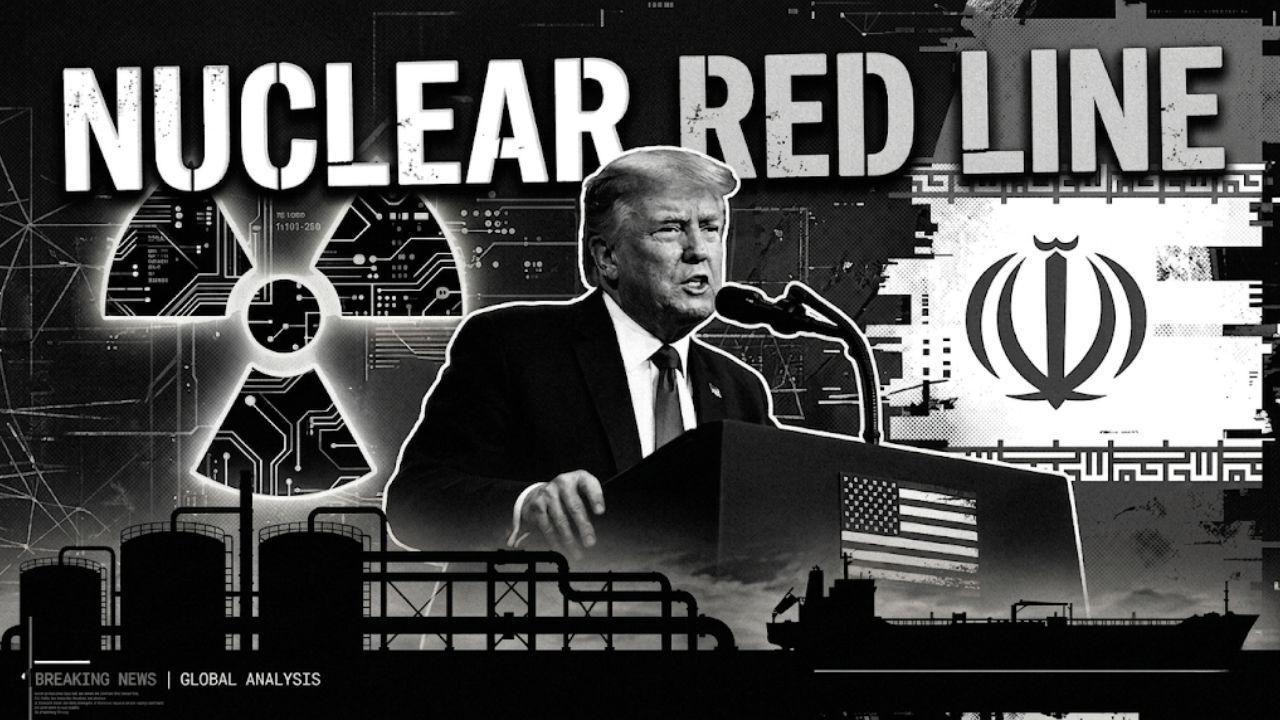
Former President Donald Trump has reiterated a hardline stance on Iran, stating that any peace talks must include the complete nuclear disarmament of the Iranian regime. The remarks come amid escalating tensions over Iran's nuclear program and regional influence.
Trump made the comments during a public address, warning that Iran's oil pipelines could face imminent threats due to blocked exports. The statement highlights the volatile situation in the Middle East, where economic sanctions and military posturing have raised the risk of conflict. His insistence on nuclear disarmament as non-negotiable reflects a strategy focused on national security and preventing nuclear proliferation. The tone echoes previous forceful remarks from Trump, including when he condemned an anti-Christian shooting as the act of a sick guy.
JCPOA Withdrawal and Nuclear Program Advances
The backdrop is the Joint Comprehensive Plan of Action (JCPOA), established in 2015 under the Obama administration. The JCPOA aimed to limit Iran's nuclear capabilities in exchange for lifting economic sanctions. Trump withdrew the United States from the agreement in 2018, arguing it failed to curb Iran's nuclear ambitions and regional aggression.
Since the US exit, Iran has reportedly advanced its nuclear program. International observers express growing concern over enrichment levels and inspection limits. Trump now calls for a return to a more stringent approach than the original JCPOA framework.
Iran Diplomatic Moves with Russia as US Pressure Mounts
As Trump pushes for nuclear disarmament, Iran's foreign minister has increased diplomatic outreach. Recent discussions with Russian President Vladimir Putin signal Tehran's effort to strengthen alliances amid Western isolation. The contrast between US demands and Iran's diplomatic tour underscores the complexity of Middle East policy.
Comments (0)
No comments yet. Be the first!
 Top Stories