Trump Set to Appoint Zuckerberg, Ellison and Jensen Huang to New 24-Member AI Advisory Council


Last Updated
March 30, 2026
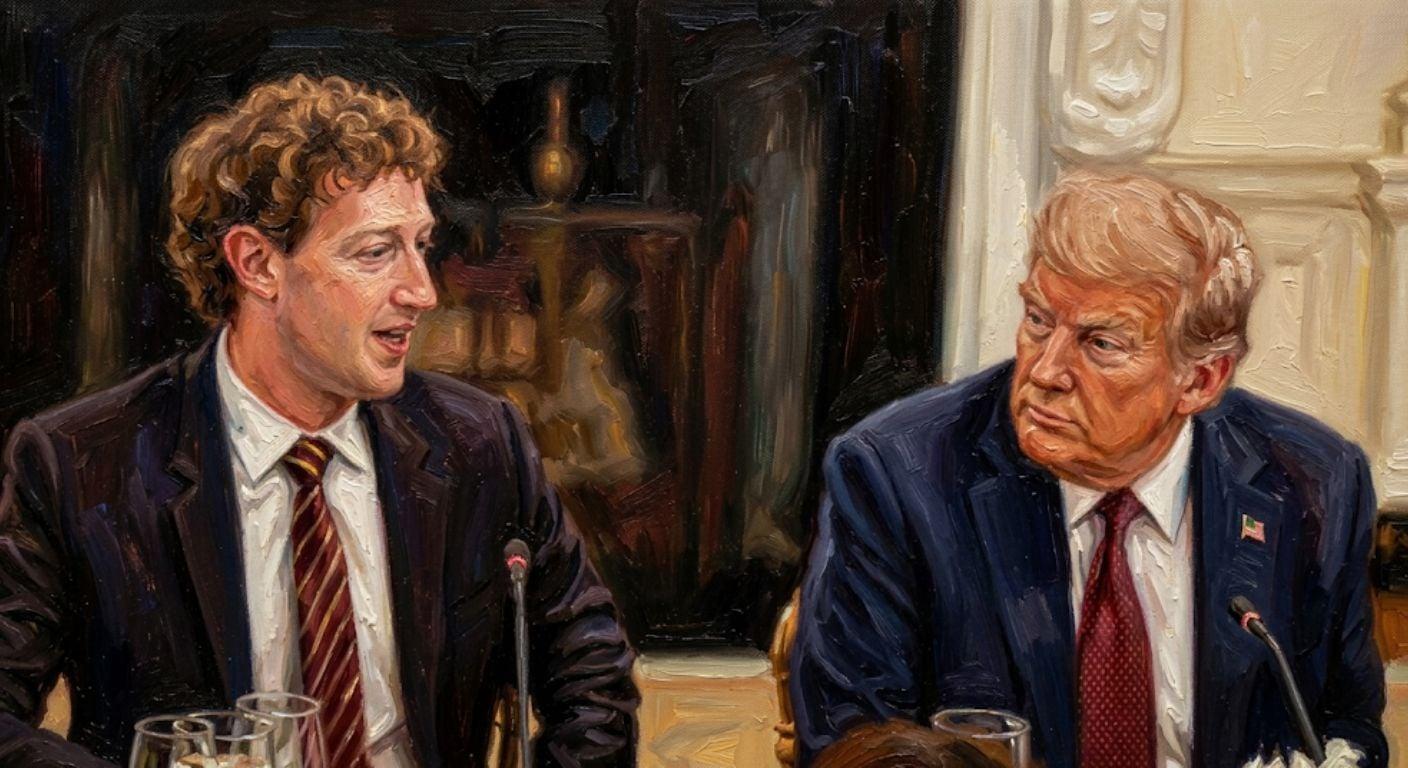
Silicon Valley Meets Pennsylvania Avenue
The White House is preparing to formalize one of the most powerful technology advisory bodies in U.S. history. President Donald Trump is set to appoint Meta CEO Mark Zuckerberg, Oracle founder Larry Ellison, and NVIDIA CEO Jensen Huang to a newly created 24-member Artificial Intelligence advisory council, according to reports. The council will be co-chaired by David Sacks, the White House's appointed AI and Crypto Czar, reinforcing the administration's increasingly aggressive pro-technology posture.
A Council Built for the AI Age
The formation of this council represents a direct effort by the Trump administration to bring the most influential voices in global technology into formal policy conversations. The 24-member body is expected to shape U.S. strategy on AI development, deployment standards, national security applications, and the increasingly intertwined world of AI and blockchain technology.
David Sacks, a prominent venture capitalist and vocal crypto advocate, takes the co-chair role at the center of the council. His dual mandate as the administration's AI and crypto point person signals that the council's agenda will extend well beyond conventional AI policy and into digital asset regulation and AI-driven financial infrastructure.
Who Is on the Council?
While the full roster of 24 members has not been officially confirmed at the time of publication, the reported inclusion of three of the most recognizable figures in global technology carries enormous symbolic and strategic weight:
Comments (0)
No comments yet. Be the first!
 Top Stories