Thailand's Crypto Sector Locks Down 10,000 Suspected Mule Accounts in Fresh AML Push
 Regulatory
Last Updated
March 10, 2026
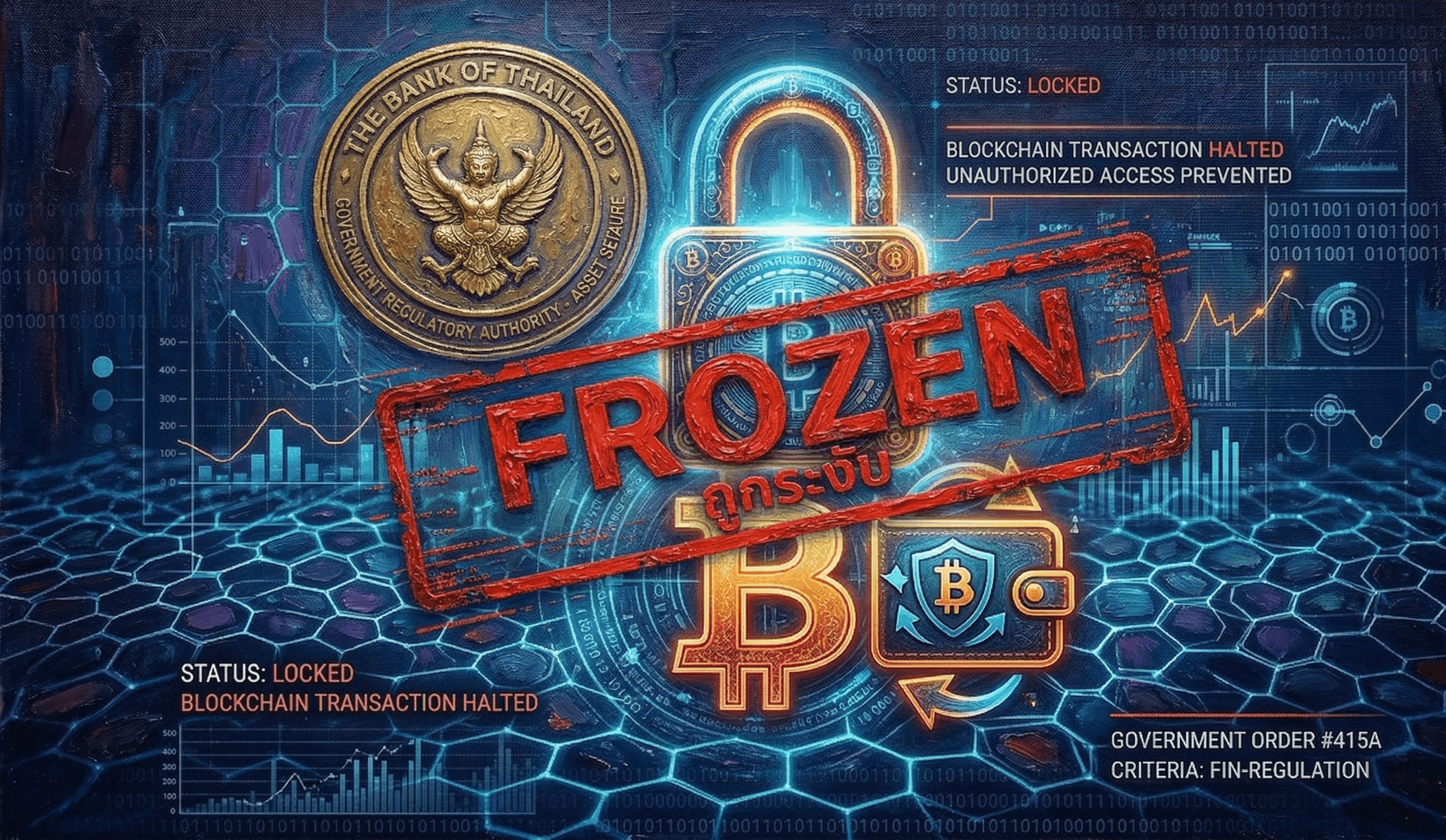
Thai digital asset operators have intensified their anti-money laundering efforts, suspending thousands of accounts tied to suspected financial crime as new compliance frameworks take hold.
Thailand's licensed cryptocurrency operators have collectively frozen more than 10,000 accounts flagged as suspected "mule accounts", intermediary accounts used to funnel illicit funds, as a new wave of anti-money laundering (AML) enforcement takes effect across the country's digital asset sector.
The account suspensions followed the deployment of enhanced screening protocols that introduced mandatory transfer delays and stricter Know Your Customer (KYC) verification requirements before high-risk transactions are processed. Att Thongyai Asavanund, CEO of KuCoin Thailand and chairman of the Thai Digital Asset Operators Trade Association (TDO), confirmed the figures to local media.
The crackdown is the latest step in an ongoing collaboration between Thailand's Securities and Exchange Commission (SEC), the TDO, the Bank of Thailand, the Cyber Crime Investigation Bureau, the Anti-Money Laundering Office, and the Thai Bankers' Association. Together, these bodies established a joint framework to eliminate mule account activity across the digital asset space.
Comments (0)
No comments yet. Be the first!
 Top Stories