Solana Adopts STRIDE and SIRN Frameworks to Harden Network Security Following Past Exploits
 Security event


Last Updated
April 27, 2026
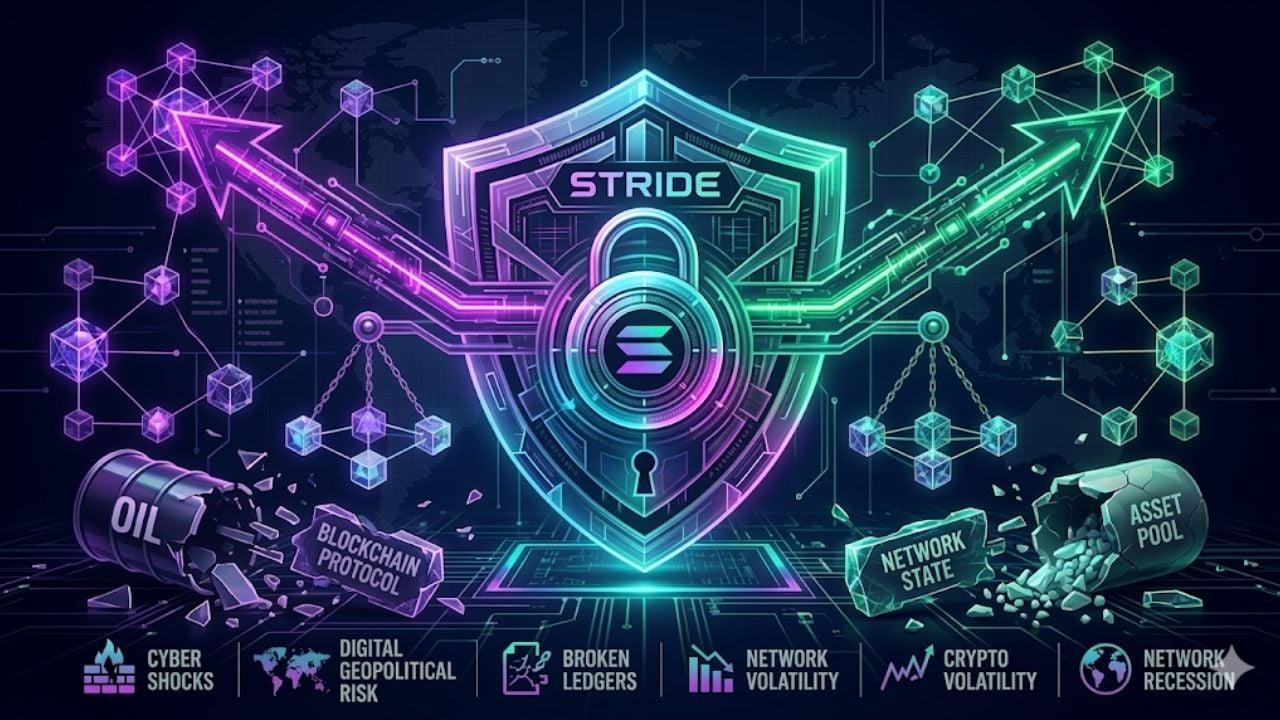
Solana developers have unveiled a comprehensive security overhaul, integrating the STRIDE threat modeling framework and SIRN, or Security Incident Response Network, in response to high-profile breaches that impacted the network between 2022 and 2024. The move signals a shift toward proactive risk management as the blockchain seeks to restore institutional trust and developer confidence.
Why STRIDE and SIRN Matter for Solana
STRIDE, developed by Microsoft, categorizes threats across six vectors: Spoofing, Tampering, Repudiation, Information disclosure, Denial of service, and Elevation of privilege. By applying STRIDE to core protocol design and smart contract deployments, Solana Foundation engineers aim to identify vulnerabilities before they reach mainnet.
Complementing this, SIRN establishes a coordinated incident response layer. The framework standardizes disclosure timelines, patch deployment, and validator communication. According to Solana Labs, SIRN reduces mean time to mitigation by creating predefined playbooks for bridge exploits, RPC failures, and consensus halts.
Addressing Past Breaches Head-On
Solana’s reputation took a hit following the $320 million Wormhole bridge hack in February 2022 and multiple network outages linked to resource exhaustion. More recently, DeFi protocols on Solana saw $28 million drained through oracle manipulation in late 2023. These incidents exposed gaps in threat modeling and cross-team response.
Anza, a core engineering spinout from Solana Labs, confirmed that STRIDE reviews are now mandatory for all major runtime upgrades. "We cannot afford to be reactive," said a senior Anza engineer in a developer call last week. "STRIDE forces us to ask how each feature could be abused, while SIRN ensures everyone knows what to do when something breaks."
How the New Security Stack Works
The implementation rolls out in three phases:
Comments (0)
No comments yet. Be the first!
 Top Stories