Laika AI
Last Updated
April 9, 2026

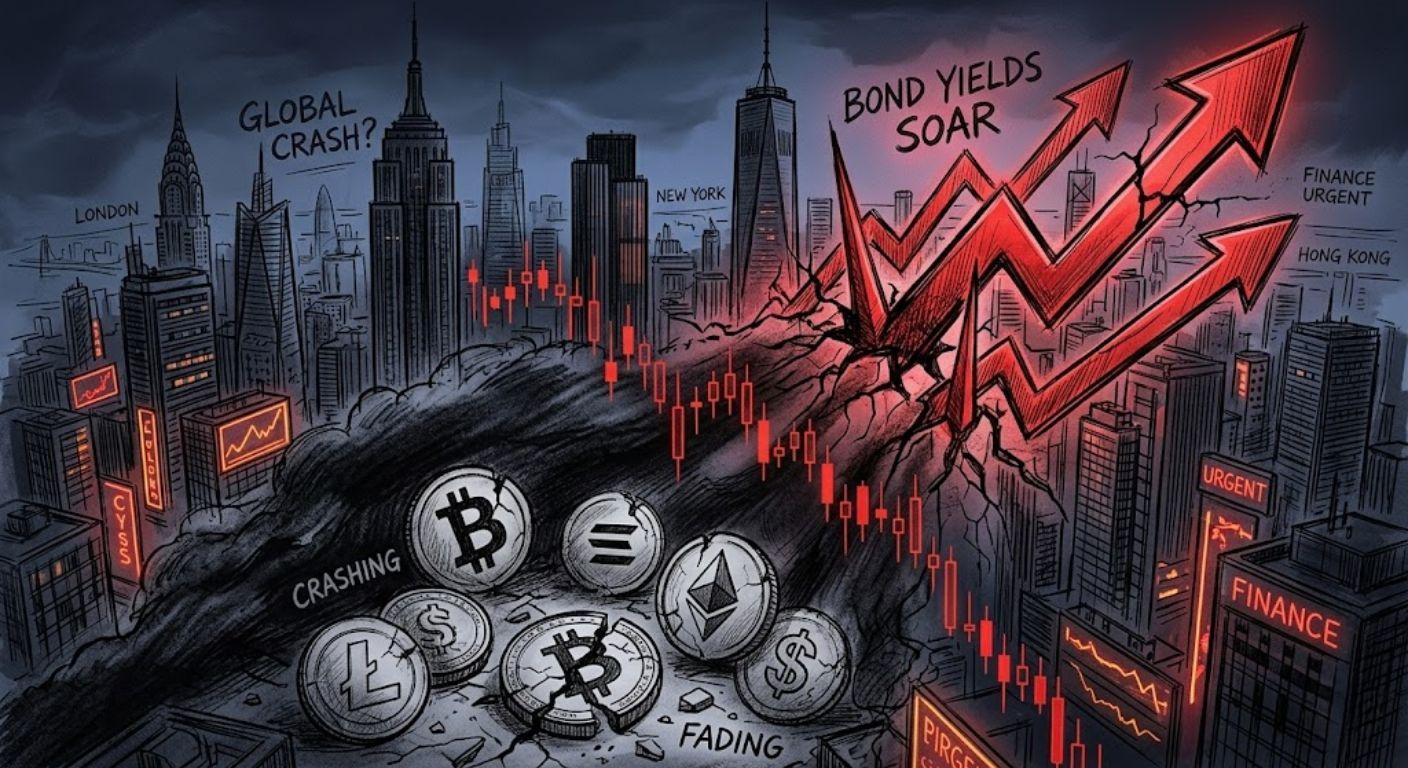
The broad-based climb in bond yields is not confined to one country or region. Ten-year Treasury yields in the US, German Bunds, and Japanese government bonds have all moved sharply higher in a coordinated fashion, reflecting a shared narrative of stubborn inflation expectations and expectations of aggressive rate action by central banks.
When yields rise, it signals that bond investors are demanding greater compensation to hold government debt, which is widely interpreted as a warning sign about price stability and long-term fiscal sustainability. Growing budget deficits in developed economies have further fueled these concerns, as governments borrow more to fund spending while interest costs climb.
For cryptocurrency traders and investors, the implications of rising bond yields are largely negative. Higher yields make government bonds comparatively more attractive against speculative and risk assets, includingBitcoin and altcoins. This dynamic can trigger capital reallocation away from digital assets, particularly during periods of macro uncertainty.
The mechanics work through two channels. First, higher discount rates derived from rising yields compress the present value of future cash flows, pressuring equity valuations and crypto alike. Second, tighter monetary conditions typically slow economic growth, reducing the appetite for speculative investments. Crypto markets, known for their sensitivity to shifts in risk sentiment, are particularly exposed to both forces simultaneously.
No comments yet. Be the first!
The synchronized nature of the yield increases points to coordinated expectations around central bank tightening. Markets appear to be pricing in additional rate hikes or a prolonged pause before any easing, reflecting the view that inflation in developed economies remains uncomfortably high. The Federal Reserve, the European Central Bank, and the Bank of Japan are all navigating difficult trade-offs between controlling inflation and avoiding a recession.
Higher borrowing costs resulting from this policy path add pressure not just on consumers, but on corporations that rely on cheap debt to finance operations and growth. This could weigh on corporate earnings and, in turn, create additional headwinds for broader financial markets. Investors trackingaltcoin season dynamics should pay close attention to how tightening cycles historically suppress broader crypto rallies.
In a notable contrast to the developed world, ten-year government bond yields in China moved modestly lower. This divergence reflects distinct economic conditions and a policy trajectory that is running in the opposite direction. While major developed economies are tightening, Beijing continues to prioritize stimulus and growth support, reinforcing the view that the global monetary cycle is not fully synchronized.
This China exception also has implications for global capital flows, as investors may find Chinese assets more attractive on a relative basis, further complicating the outlook for dollar-denominated risk assets.
The combination of rising yields, tighter monetary policy, and elevated inflation paints a challenging near-term backdrop for crypto and other risk assets. Until central banks signal a genuine pivot or inflation data improves meaningfully, downward pressure on digital asset markets is likely to persist. Investors and traders should monitor yield movements closely, as these developments will continue to influence sentiment across the broader crypto ecosystem. For those weighing Bitcoin's role as a store of value amid macro stress, understanding its narrative asdigital gold remains essential context.