AI Agents Are Being Built to Become Crypto's Biggest Users, and Stripe Is Betting on It
 Ai news

Last Updated
April 1, 2026
The Machine Payments Protocol Wants to Rewire How Value Moves Online
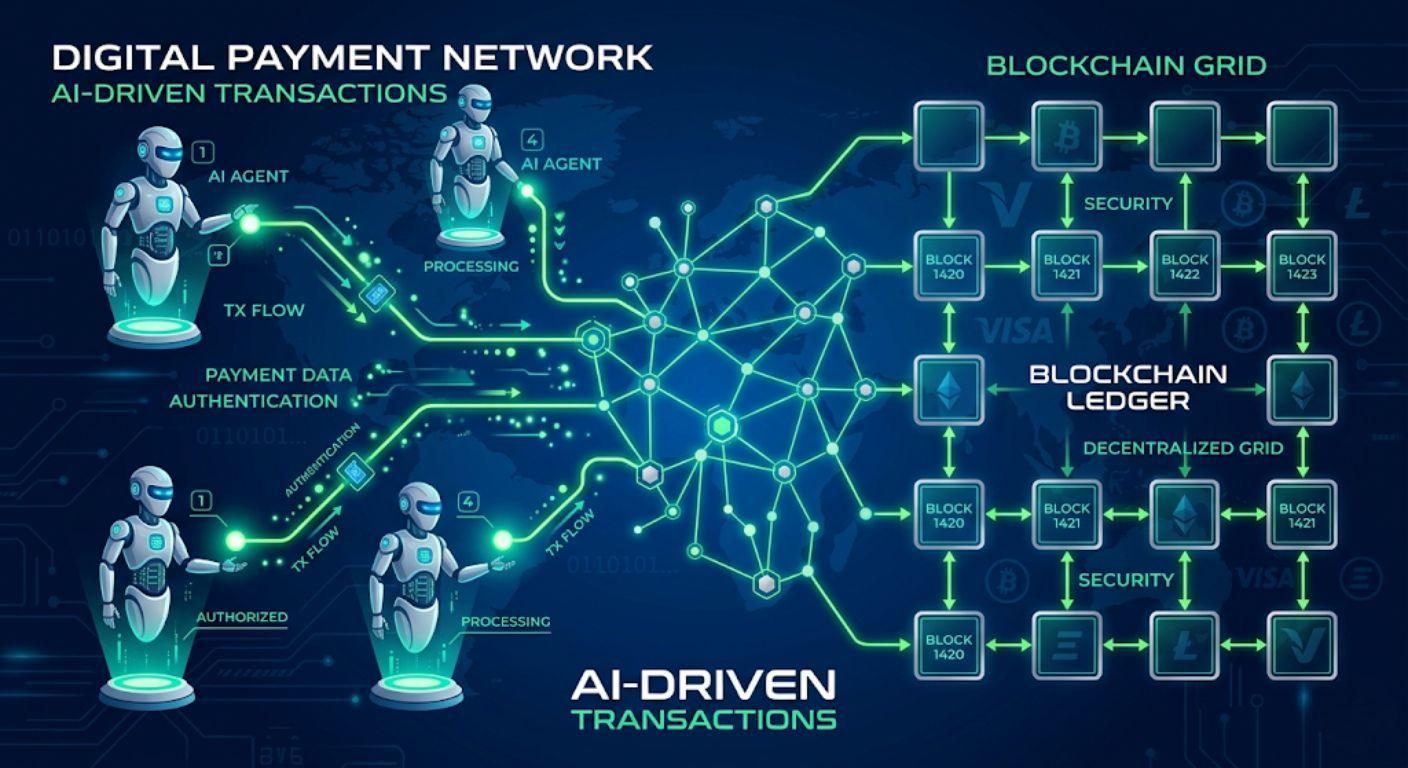
A quiet but significant shift is underway in the crypto payments landscape. Stripe, in collaboration with infrastructure startup Tempo, has launched the Machine Payments Protocol (MPP), a framework specifically engineered for AI agents to send, receive, and settle payments autonomously on blockchain rails.
The premise is bold: AI agents, not humans, will become the dominant users of internet-based payment systems within the next few years. MPP is being positioned as the foundational layer that makes this transition possible.
What Is MPP and Why Does It Matter
MPP is a payments protocol designed from the ground up with non-human actors in mind. Unlike traditional payment infrastructure built around human authentication flows, MPP allows AI agents to initiate and complete financial transactions programmatically, without requiring manual intervention at each step.
Stripe's integration with Tempo signals a serious commercial push behind this concept. The partnership merges Stripe's established payments network with Tempo's agent-native infrastructure, creating a system where autonomous software can manage budgets, pay for compute, license data, or compensate other agents, all on-chain and in real time.
According to the project's positioning, agent-to-agent payments are projected to eventually outpace human-initiated transactions on the internet, a claim that, while ambitious, is increasingly supported by the rapid proliferation of autonomous AI systems across industries.
Comments (0)
No comments yet. Be the first!
 Top Stories