Laika AI
Last Updated
May 6, 2026
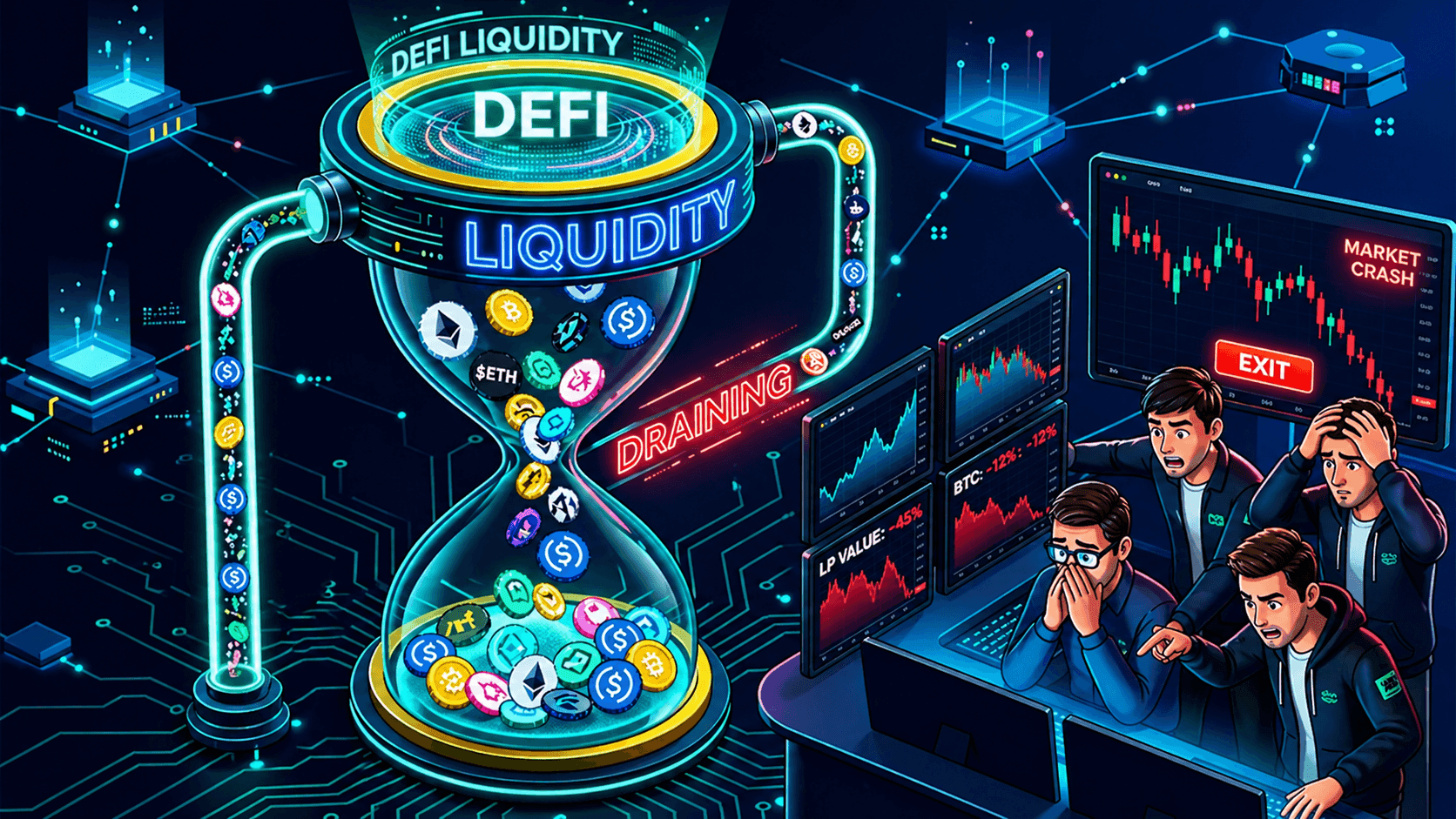
Liquidity providers are the backbone of decentralized finance, supplying capital that powers trading, lending, and borrowing across protocols. But a growing rift is emerging in DeFi: the very LPs who sustain platforms long-term are seeing their returns diluted by token models designed to chase new money. Some protocols are now exploring new collateral designs, like how World Liberty Financial WLFI tokens are being used as collateral on Dolomite for loans, to deepen utility beyond emissions.
At the heart of the issue is how most DeFi protocols structure LP rewards. Yields are typically paid in the protocol’s native token, and emissions are often front-loaded and inflationary. This setup creates a “farm and dump” dynamic.
Early entrants can deposit liquidity, earn outsized APY, and exit before emissions ramp up. Long-term liquidity providers, however, watch their share of rewards shrink as new tokens flood the market to attract fresh capital. The result is yield dilution for loyal participants. That’s why due diligence matters, and LPs are increasingly urged to check smart contracts before buying into new farms or pools.
“The current model is great for bootstrapping, terrible for retention,” said a pseudonymous DeFi researcher on a community forum. “You’re basically punishing the LPs who believe in your protocol most.”
No comments yet. Be the first!
Protocols need deep, sticky liquidity to reduce slippage and ensure efficient markets. Yet tokenomics often optimize for new TVL spikes rather than sustained depth. This misalignment means committed LPs bear the cost of growth.
As new participants rotate in for high initial yields, existing LPs see their real returns compressed by inflation. If the token price drops, the loss is compounded. The pattern has repeated across multiple DeFi cycles, raising concerns about long-term sustainability.
Some protocols have turned to token locking mechanisms to curb mercenary capital. By forcing LPs to lock LP tokens or rewards for months, platforms aim to reduce churn.
But critics argue this only delays the problem. “Locking doesn’t fix dilution,” noted a DAO governance contributor. “It just forces loyal users to sit through it. The underlying incentive structure still rewards new entrants over old ones.”
A wave of DeFi protocols is now experimenting with alternatives to realign incentives:
These models attempt to shift from inflation-based growth to sustainable yield derived from real economic activity. If successful, they could create a more symbiotic relationship between platforms and liquidity providers.
The debate reflects a maturing DeFi sector. Early growth-at-all-costs tokenomics helped bootstrap the industry, but community members now warn of a “race to the bottom” if dilution continues.
Without reform, protocols risk losing their most committed LPs, leading to thinner liquidity, higher volatility, and eventual user exodus. “The next generation of DeFi needs to balance new liquidity with loyalty,” said one developer. “Otherwise, we’ll keep rebuilding the same unstable systems.”
The discussion is far from settled, but the direction is clear: protocols that figure out how to reward long-term liquidity providers without endless emissions may define the next phase of decentralized finance.