Bitcoin Ends Q1 2026 in the Red as Geopolitical Storm and Fed Signals Drown Out Record Crypto Regulation
 Macro market

Last Updated
March 31, 2026
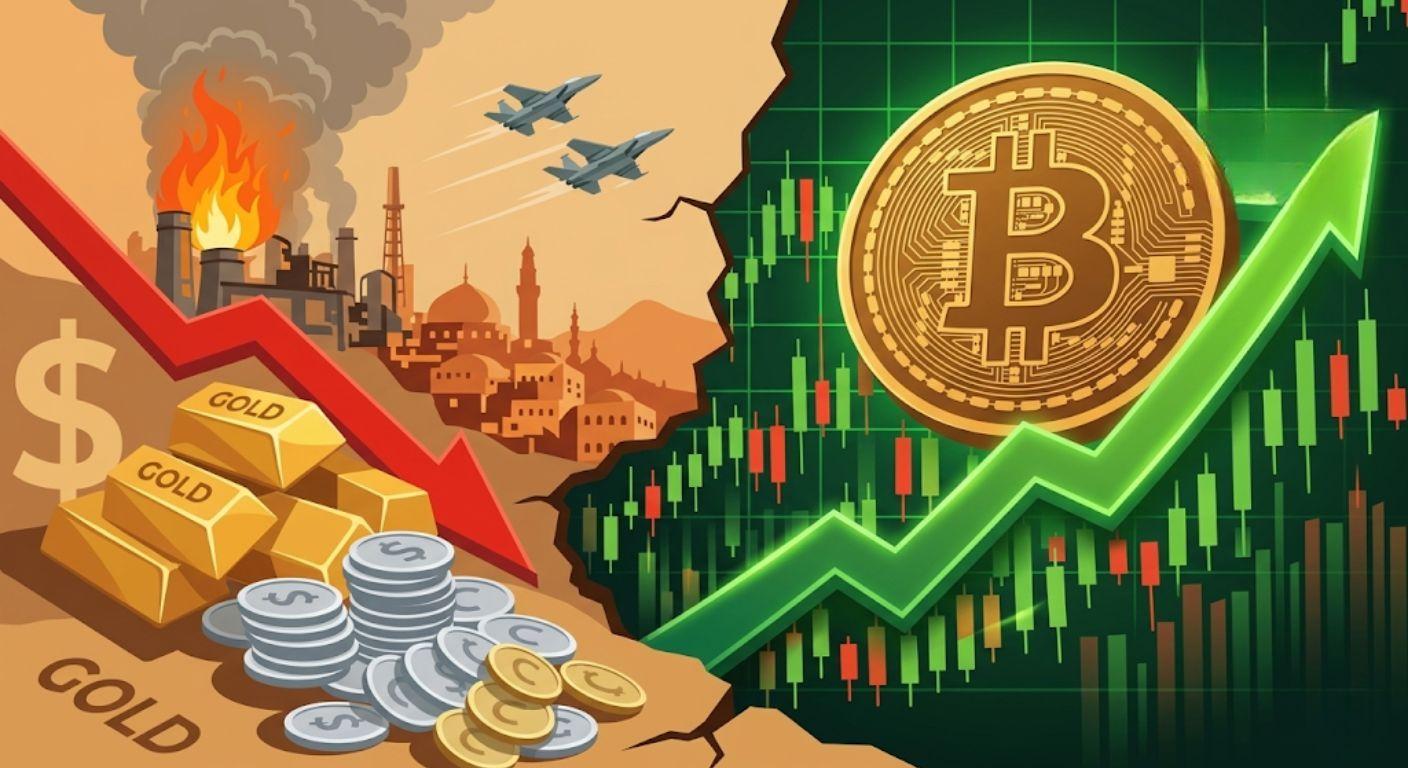
A Quarter Defined by Contradiction
Bitcoin and the broader crypto market close the first quarter of 2026, facing a painful paradox. By virtually every regulatory measure, the environment for digital assets has never been more favorable. YetBTC ends March down approximately 4%, a reminder that in moments of global uncertainty, macro forces answer to no milestone.
Iran Tensions Send Oil Surging
Reports from Reuters indicate that the Pentagon is actively preparing possible ground operations in Iran, a development that sent shockwaves through global commodity markets this week. Oil prices responded immediately, climbing sharply as traders priced in supply disruption risks tied to one of the world's most critical energy corridors.
Rising oil prices historically feed directly into inflation expectations, a dynamic that is placing additional pressure on Federal Reserve policymakers heading into the second quarter. For risk assets, including crypto, the timing could not be more challenging.
Powell Takes the Stage at Harvard
All eyes turn to Fed Chair Jerome Powell, who is scheduled to speak at Harvard on Monday. Markets are bracing for any signal related to the Fed's next move on interest rates, particularly as oil-driven inflation concerns re-enter the conversation.
The 10-year Treasury yield is currently hovering near 4.5%, a level that has historically compressed valuations across speculative assets. The U.S. Dollar Index (DXY) is also strengthening, adding further headwinds for Bitcoin and altcoins, which tend to move inversely to dollar strength.
Comments (0)
No comments yet. Be the first!
 Top Stories