Laika AI
Last Updated
May 6, 2026

Alphabet Inc. delivered its strongest quarterly profit ever in Q1 2026, beating Wall Street estimates as Google Cloud and artificial intelligence investments powered results. The tech giant reported earnings per share of $5.11, well above analyst forecasts, signaling resilience in Big Tech despite macro headwinds.
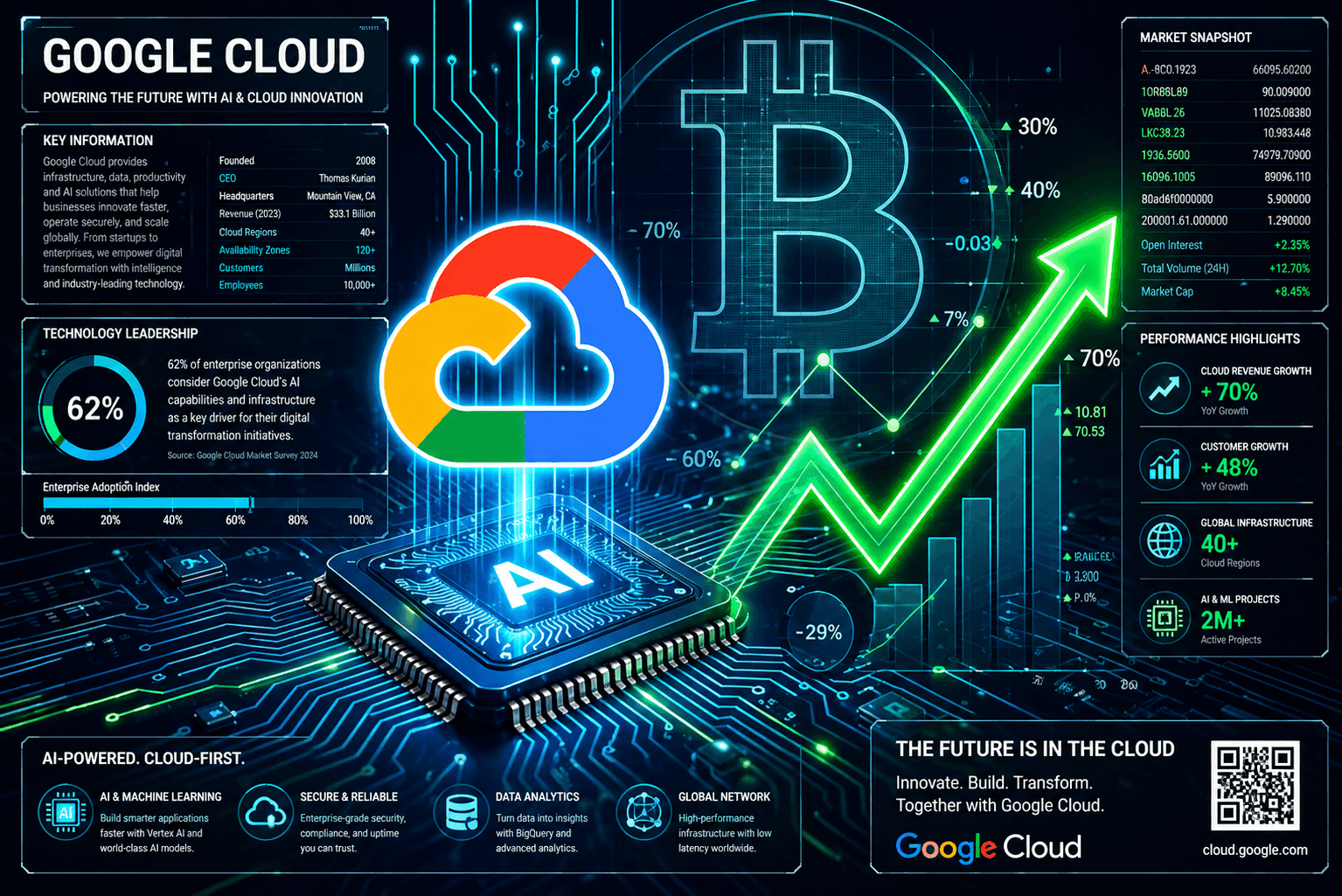
The standout driver was Google Cloud, which continues to capture market share in a fiercely competitive sector. Analysts noted the cloud division's robust expansion is now central to Alphabet's financial health. As enterprises accelerate digital transformation, demand for scalable cloud infrastructure has made the segment a key revenue pillar. The results underscore Alphabet's strategic pivot toward cloud services as a long-term growth lever.
Revenue growth remained solid across the board. Despite broader pressure on tech firms, Alphabet maintained strong top-line momentum. The company's ability to monetize cloud and AI offerings has helped offset softness in other advertising-dependent segments.
Market watchers are zeroing in on Alphabet's AI roadmap. Morgan Stanley analyst Brian Nowak flagged the company's Tensor Processing Units, or TPUs, as a major catalyst. These custom chips are designed to accelerate machine learning workloads and could deepen Alphabet's moat in AI infrastructure. Leadership commentary on TPU deployment and enterprise adoption is expected to shape investor expectations for the next cycle. The AI infrastructure race is intensifying across the industry. The ongoing legal clash between Elon Musk, OpenAI, and figures like Larry Page over AI safety and control reflects just how contested the governance of that infrastructure has become, even as companies like Alphabet accelerate deployment.
No comments yet. Be the first!
The earnings beat has direct implications for crypto markets, particularly AI-related tokens. Projects like Render, Bittensor, and Fetch.ai often track sentiment around Big Tech AI capex. A strong quarter from Alphabet reinforces the narrative that institutional AI spend remains elevated, which historically correlates with interest in decentralized AI protocols.
Not all reactions were bullish. Some analysts warned the $5.11 EPS print may not be fully sustainable. Concerns center on the quality of earnings, with questions about whether paper gains contributed to the beat rather than core operational strength. Investor forums reflected the divide, with bulls cheering the cloud momentum while bears flagged valuation risks if growth moderates.
The stock reaction was mixed post-earnings. While the headline numbers impressed, traders are watching forward guidance and capex plans closely. Alphabet's performance often acts as a bellwether for risk assets, including Bitcoin and Ethereum, due to its weight in the Nasdaq and its role in tech sentiment. Alphabet is not the only enterprise-facing tech name setting ambitious forward targets. Palantir's latest revenue forecast and Q1 earnings guidance reflect a similarly aggressive posture on AI-driven commercial growth, offering investors a useful point of comparison on how Big Tech and data infrastructure plays are pricing in the AI cycle.
Beyond cloud and ads, Alphabet's Other Bets segment drew attention. Waymo's autonomous driving tech continues to advance, with potential to disrupt logistics and transport. Isomorphic Labs, focused on AI-driven drug discovery, is another long-term bet that could diversify revenue. While these ventures are not yet material to earnings, they represent asymmetric upside that growth investors track.
Alphabet's Q1 report shows the company is executing on its cloud and AI strategy. The challenge ahead is maintaining growth while proving the earnings quality can hold up. For crypto markets, the key takeaway is continued strength in AI infrastructure spend. This supports the broader thesis that centralized AI progress fuels interest in decentralized alternatives.
As competition in cloud and AI intensifies, Alphabet's ability to innovate will determine if it keeps its lead. Investors will monitor upcoming product updates, TPU adoption rates, and capital allocation. For now, the Q1 print gives bulls fresh ammo, but the sustainability debate ensures volatility ahead.